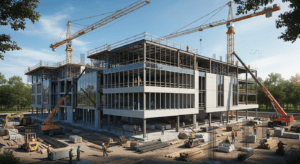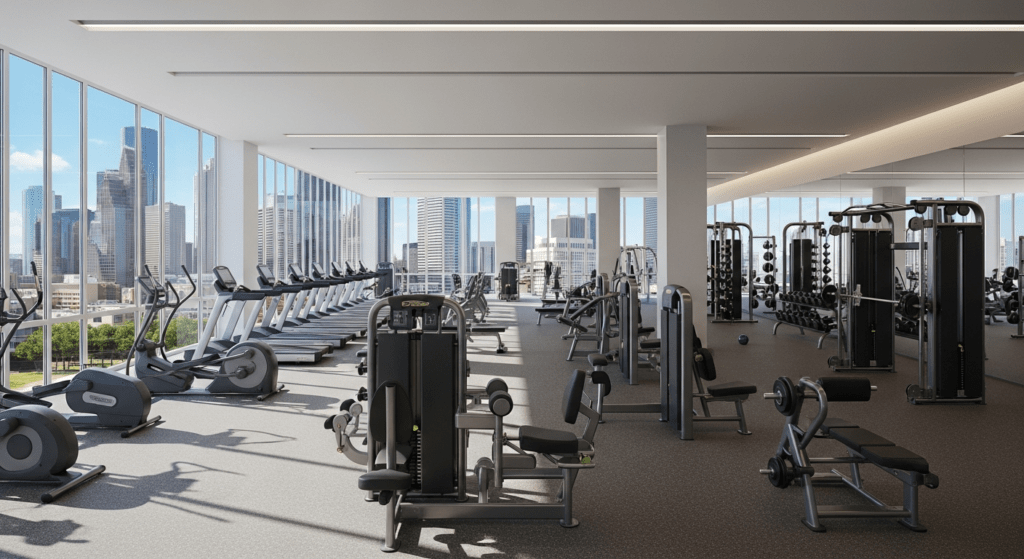
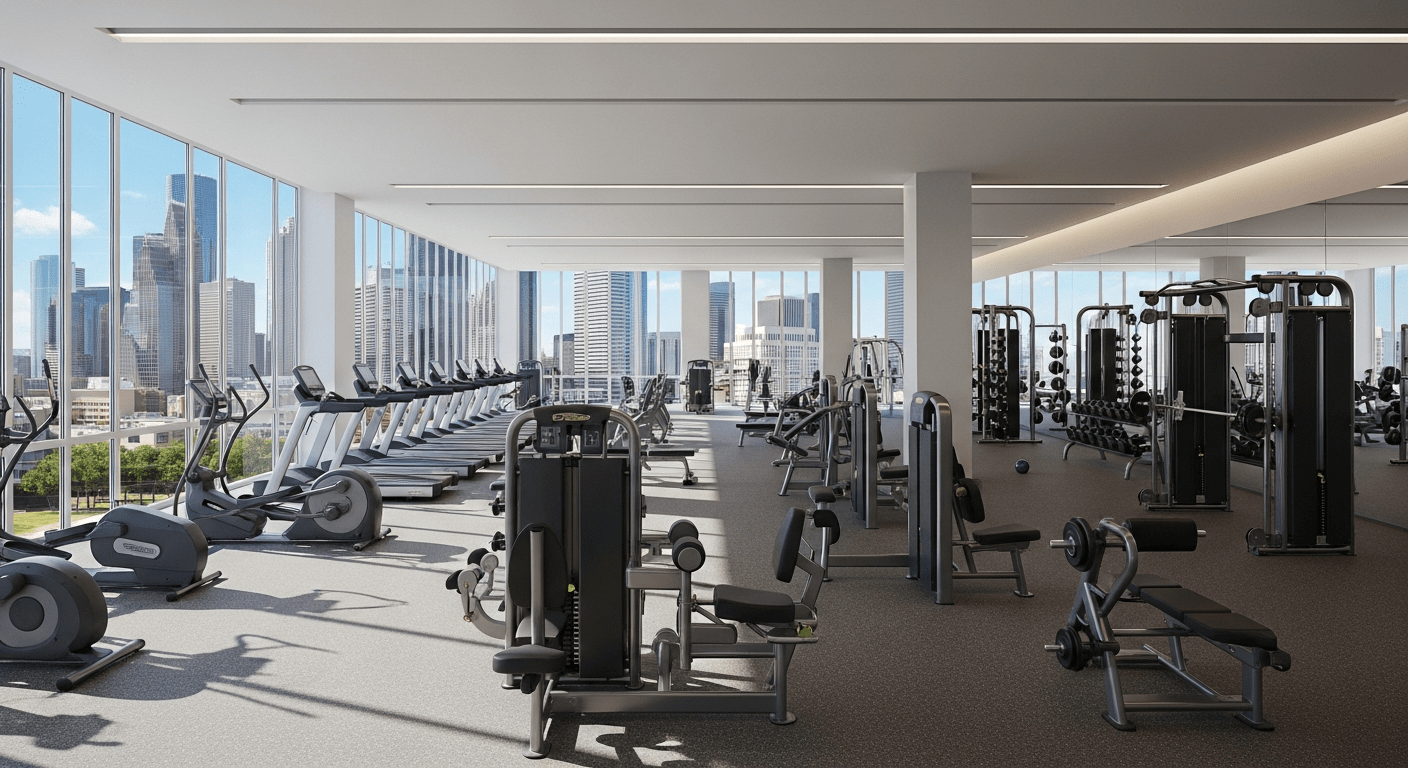
Key Highlights
Here are the key takeaways for building a fitness center in Houston:
- The gym construction cost in Houston varies widely, from $80 per square foot for budget studios to over $400 for premium facilities.
- Houston’s unique climate requires specialized HVAC systems for humidity control and hurricane-rated materials for safety.
- Specialized features like reinforced concrete slabs for heavy gym equipment, advanced acoustics for group fitness studios, and specific flooring types significantly impact your budget.
- The type of fitness center—boutique, mid-range, or a large sports complex—determines the necessary amenities and overall investment.
- Navigating Houston’s permitting for high-occupancy commercial space is a critical step in your project timeline.
Introduction
Are you planning to open a fitness center in Houston? You’re entering a booming market, but understanding the costs is the first step to success. As a leading commercial construction contractor, we know that building a gym is more than just four walls and some equipment. It involves careful planning, budgeting, and an understanding of the unique demands of the Houston area. This guide will walk you through everything you need to know to create a solid gym business plan and build a facility that thrives.
Houston Fitness Center Construction Market Overview
The fitness industry in Texas is robust, with Houston standing out as a prime location for new gyms and sports complexes. The city’s growth, fueled by corporate relocations and an increasing population, creates a strong demand for wellness and fitness services. For gym owners, this presents a significant opportunity.
This dynamic market means that your commercial construction project needs to be competitive from day one. Understanding local trends and what members expect is crucial for building a successful fitness facility that captures a loyal customer base and ensures long-term profitability.
Demand Trends for Gyms & Fitness Studios in Houston
Modern gym-goers in Houston are looking for more than just a room with weights. The fitness industry has shifted towards premium experiences, with a high demand for specialized group classes, personal training, and unique amenities. This trend is shaping how new facilities are designed and built.
Successful gym owners are creating spaces that foster community. This includes open floor plans, social areas with Wi-Fi, and well-designed studios for popular classes like yoga, cycling, and high-intensity interval training. These features are no longer luxuries but essential marketing tools to attract and retain members in a competitive market.
For example, a recent mid-size gym buildout for a franchise like Crunch Fitness can cost around $3 million. This investment reflects the need to incorporate modern amenities, specialized equipment, and a high-quality finish to meet member expectations in the bustling Houston commercial space.
Comparing Gym Construction Costs in Houston vs Other Texas Cities
When budgeting for your project, it’s helpful to see how the gym construction cost in Houston compares to other major hubs in Texas. Houston’s specific climate, labor market, and material costs can influence the overall commercial construction cost per square foot.
While costs can be similar across the state for a basic type of building, Houston’s coastal location often adds expenses related to humidity control and storm-resistant construction. These factors can push the budget higher compared to inland cities like Dallas or Austin for a comparable facility.
Here’s a general comparison of estimated commercial construction costs, which can vary based on the final design and finishes:
| City | Average Commercial Construction Cost (Per Square Foot) |
|---|---|
| Houston | $175 – $275+ |
| Dallas | $170 – $265+ |
| Austin | $180 – $285+ |
| San Antonio | $165 – $255+ |
Key Factors Influencing Fitness Center Construction Cost
Your total fitness center construction cost is determined by more than just the building itself. The specific amenities you choose, the quality of gym equipment, and the overall design will all play a major role in your final budget. From high-end locker rooms to specialized training zones, every decision adds up.
Beyond the hard costs of commercial construction, you also need to account for soft costs. These include architectural design fees, permits, and engineering, which are essential parts of the budgeting process. A clear understanding of these factors from the start will help you manage your project in Houston effectively.
Impact of Houston’s Climate and Building Codes
One of the most significant factors influencing construction costs in Houston is the city’s unique climate. The high heat and humidity demand powerful and efficient HVAC systems. Standard commercial units are often insufficient for a gym, where high-intensity workouts generate significant moisture and heat. Oversizing your HVAC system is not a luxury but a necessity for member comfort and safety.
Furthermore, Houston’s location on the Gulf Coast means that building codes have strict requirements for hurricane preparedness. This often includes installing hurricane-rated windows and reinforced structural elements, which adds to the overall cost of commercial construction. These measures are critical for protecting your investment and ensuring the safety of your members.
Embracing sustainability can also influence costs, though often with a long-term payoff. Using energy-efficient materials and systems, like LED lighting, can reduce operational expenses over time while appealing to eco-conscious members.
Site Selection and Structural Needs for Gym Facilities
Choosing the right location is fundamental to your gym’s success. Your site selection process should focus on areas with high visibility and easy access for your target demographic, such as bustling retail centers in areas like the Energy Corridor or the Galleria. Negotiating a favorable lease for a commercial space is just as important as the physical location.
The structural needs of gym facilities also heavily influence costs. For instance, weightlifting areas require a reinforced concrete slab to handle the impact of heavy weights being dropped. Standard flooring in a typical commercial building won’t suffice. Additionally, many modern gym activities, like functional fitness and group classes, require high ceilings (14-18 feet clear height) for safety and airflow.
These structural requirements are a major reason why the average cost to construct a fitness center in Houston, ranging from $80 to over $400 per square foot, is often higher than for a standard retail or office buildout.
Gym Construction Cost Breakdown by Facility Type
The gym construction cost for your fitness center will depend heavily on the type of gym you plan to open. A small, specialized boutique studio has a very different financial footprint than a large, full-service facility with a wide array of amenities. Each model caters to a different clientele and has unique construction requirements.
Understanding these differences is key to creating a realistic commercial construction budget. Whether you’re building a budget-friendly space or a premium fitness destination, knowing the cost implications of your chosen concept will guide your planning and design decisions from the very beginning.
Budget, Mid-Range, Premium, and Boutique Studio Buildouts
The cost per square foot for your Houston gym buildout is directly tied to the type of gym and the level of finish you desire. Each category serves a different market segment and comes with its own price tag.
Boutique studios, focusing on specific activities like yoga, cycling, or CrossFit, typically require less space but need specialized equipment and design elements, making them a unique investment. Premium facilities, on the other hand, justify their higher costs with luxurious amenities and a top-tier member experience. These different models also function as distinct marketing tools, attracting specific types of clients.
Here’s a general cost estimate breakdown per square foot in Houston:
- Budget Fitness Studios: $80 – $150 per square foot.
- Mid-Range Gyms: $150 – $250 per square foot.
- Premium Fitness Centers: $250 – $400+ per square foot.
- Boutique Studios (Yoga, CrossFit, etc.): $120 – $200 per square foot.
Specialized Amenities: Pools, Spas, Group Fitness Rooms, ADA Compliance
Adding specialized amenities is a proven way to attract and retain members, but these features will significantly increase your construction costs and future operational expenses. High-end additions transform a standard gym into a full-service wellness destination.
For example, group fitness rooms require specific acoustic treatments to contain sound, specialized flooring, and advanced AV systems. Pools and spas are even more complex, requiring extensive excavation, plumbing, and specialized ventilation systems to control humidity and air quality. These amenities can be a major draw but come with substantial upfront and ongoing costs.
Here are some amenities that can increase your budget:
- Indoor Pools and Spas: These can add anywhere from $500,000 to over $2 million to your project cost.
- Acoustically Treated Group Fitness Rooms: Specialized soundproofing and flooring add thousands to the buildout.
- Luxury Locker Rooms: High-end finishes, saunas, and steam rooms increase costs significantly.
- Full ADA Compliance: Ensuring all areas, from treadmills to locker rooms, are accessible is required by law and impacts design and cost.
Houston-Specific Buildout Considerations
When planning a fitness center buildout in Houston, you need to account for factors unique to our city. These go beyond standard commercial construction practices and require a general contractor with specific expertise. From the ground up, a gym has different needs than a typical retail store or office.
As a contractor with years of experience in Houston, we understand these nuances. We know that a successful gym project requires foresight, especially regarding structural support like reinforced slabs and climate-control systems designed for our humid environment. These details make all the difference in the longevity and success of your facility.
Reinforced Slabs, HVAC Oversizing, Hurricane-Rated Glazing
Three of the most critical—and costly—factors in a Houston gym buildout are structural and environmental. First, reinforced slabs are non-negotiable in free-weight areas. A standard concrete foundation will crack under the repeated impact of dropped dumbbells and barbells. This reinforcement adds to your initial commercial construction cost but prevents expensive future repairs.
Second, HVAC oversizing is essential to combat Houston’s heat and humidity, especially in high-occupancy cardio areas. An undersized system will fail to keep members comfortable, leading to a poor experience and potential equipment damage from excess moisture. Finally, with Houston’s susceptibility to severe weather, hurricane-rated glazing for storefronts and windows is a vital safety and building code requirement.
These Houston-specific needs include:
- Reinforced concrete slabs to support heavy equipment.
- Oversized HVAC systems with enhanced humidity control.
- Hurricane-rated glazing and storefronts for storm protection.
Franchise vs. Independent Fitness Center Buildouts
Choosing between opening a franchise or an independent gym will fundamentally shape your buildout process and budget. A franchise offers gym owners the advantage of brand recognition and a proven business plan. However, this comes with strict brand guidelines that dictate everything from the layout and finishes to the approved equipment. You’ll need to follow a specific playbook for your commercial gym construction, which can increase costs but simplifies decision-making.
An independent gym offers complete creative freedom. You control every aspect of the design, branding, and member experience. While this allows you to create a unique space, it also means you are responsible for developing your own marketing tools and brand from scratch. This path often involves more upfront planning and a different approach to negotiating your lease and buildout terms. While specific construction bids are proprietary, understanding these two paths is the first step.
Tenant Improvement Allowances & Lease Negotiations in Houston Retail Centers
For many gym owners in Houston, leasing a commercial space in a retail center is a popular choice due to high visibility and foot traffic. During lease negotiations, one of the most important elements to discuss is the Tenant Improvement (TI) allowance. This is a sum of money the landlord provides to help you build out the space to meet your specific needs.
Building out a new gym from a “shell” space is very different from renovating an existing facility. A new buildout involves everything from plumbing and electrical to HVAC and flooring. A generous TI allowance can help offset these significant costs. As a gym owner, you should negotiate assertively for a TI allowance that reflects the extensive construction a fitness center requires compared to a standard retail tenant.
A strong negotiating position can help you secure the funds needed to cover specialized plumbing for locker rooms, reinforced floors, and upgraded electrical systems, reducing your out-of-pocket expenses and making your venture more financially viable.
Construction Bids and Contractor Selection Process
Once your design is finalized, the next step is to solicit construction bids from general contractors. It’s crucial to find a contractor who specializes in gym construction in Houston, as they will understand the unique challenges of these projects. Don’t simply choose the lowest bid; evaluate each contractor’s experience, portfolio, and understanding of your vision.
Look for a partner with years of experience in local commercial construction. A specialized contractor will provide a more accurate and comprehensive bid, anticipating costs that a generalist might overlook, such as specialized ventilation or structural reinforcements. This expertise prevents costly change orders and delays down the road.
When selecting your contractor, be sure to:
- Review their portfolio of completed fitness centers.
- Verify their licensing, insurance, and references in the Houston area.
- Ensure they have a clear communication process for project updates and budget tracking.
Permitting, Regulations, and Cost Implications in Houston
Navigating the permitting and regulations process in Houston is a critical part of your gym business plan. The city has specific codes for commercial construction that can impact your timeline and budget. Failing to account for these requirements early on can lead to significant delays and unexpected costs.
From high-occupancy permits to detailed plumbing and electrical plans, meeting all financial requirements and regulatory hurdles is essential. These steps protect your investment and ensure your facility is safe for members, but they also add to your upfront and operational expenses.
High-Occupancy Permitting and Locker Room Plumbing
Gyms are classified as high-occupancy spaces, which triggers a more stringent permitting process in Houston. Your facility must meet specific safety codes related to fire suppression, emergency exits, and occupant load calculations. An experienced architect and contractor will navigate this process, ensuring your design is compliant before construction begins.
Locker room plumbing is another area subject to strict regulations. The number of showers, toilets, and sinks required is determined by your gym’s maximum capacity. The plumbing systems for these wet areas must include proper waterproofing and ventilation to prevent mold and moisture issues, which adds complexity and cost compared to standard commercial restrooms.
Failing to plan for these high-occupancy and plumbing requirements can result in failed inspections and costly rework. Properly addressing these regulations from the start is crucial for keeping your project on schedule and avoiding an increase in your operational expenses later on.
ADA and Safety Regulations Affecting Fitness Centers
Compliance with the Americans with Disabilities Act (ADA) is a legal requirement for every fitness center. This goes beyond just providing accessible parking and entryways. Every aspect of your facility, from the front desk to the locker rooms and workout floors, must be designed to accommodate individuals with disabilities.
This includes ensuring there is adequate clear floor space around gym equipment, providing accessible showers and restrooms, and making every amenity usable for all members. These ADA requirements influence your floor plan, equipment selection, and overall construction costs. Non-compliance can lead to expensive lawsuits and mandatory retrofits.
In addition to ADA, various safety regulations govern the operation of a fitness center. These rules cover everything from proper equipment spacing to emergency procedures. Ensuring full compliance is not just about avoiding fines; it’s about creating a safe and inclusive environment for every member.
Conclusion
In conclusion, building a fitness center in Houston involves navigating a variety of costs and considerations unique to the region. From budget-friendly studios starting at $80 per square foot to premium fitness centers reaching $400 per square foot, understanding the financial landscape is crucial for success. Special attention must be given to Houston’s climate and specific building codes, as well as specialized systems like reinforced concrete slabs and HVAC requirements that cater to high-occupancy areas. Whether you’re a franchise or an independent gym owner, ensuring compliance with ADA regulations and securing necessary permits will streamline your project. As you embark on this exciting journey, remember that planning and research can significantly improve your facility’s long-term viability. If you have any questions or need expert guidance, feel free to reach out!
Frequently Asked Questions
What is the average cost per square foot for gym construction in Houston, TX?
The average gym construction cost per square foot in Houston can range from $80 for a basic setup to over $400 for a premium facility. The final commercial construction cost depends on the size, location, and the level of amenities you choose to include in your fitness center.
How does building out a gym differ from renovating an existing facility?
Building out a new gym in a shell commercial space involves creating everything from scratch, including plumbing, electrical, and walls. A renovation modifies an existing facility, which may be less expensive but could be limited by the previous layout and require negotiation of the lease and amenities.
What amenities can increase fitness center construction costs in Houston?
Amenities like swimming pools, spas, saunas, and steam rooms are major cost drivers in Houston. Other features that increase costs include acoustically engineered group fitness studios, luxury locker rooms, and dedicated spaces for personal training, all of which enhance the member experience but require a larger budget.