

When it comes to home improvement, few projects are as crucial as roof replacement. In 2025, the cost of a new roof in Houston varies significantly based on several factors, such as material choice, roof size, and labor costs. Roof replacement is a significant investment that every homeowner will face eventually. Understanding the costs involved, as well as the key factors influencing prices, can help homeowners plan and budget effectively.
RJT Construction, a trusted roofing contractor based in Houston, offers expert roof replacement services at competitive prices. With years of experience in the industry, RJT Construction ensures that homeowners in Houston receive high-quality roofing solutions tailored to their specific needs. In this article, we’ll explore what drives roof replacement costs in Houston, TX, in 2025 and provide insights into how homeowners can make informed decisions when replacing their roof.
Understanding Roof Replacement Costs in 2025
Replacing a roof is a significant investment for homeowners, especially in 2025, where roof replacement costs in Texas have seen notable increases due to inflation, material shortages, and demand spikes. It is essential to understand the factors that contribute to these rising costs to make informed decisions about roof replacement.
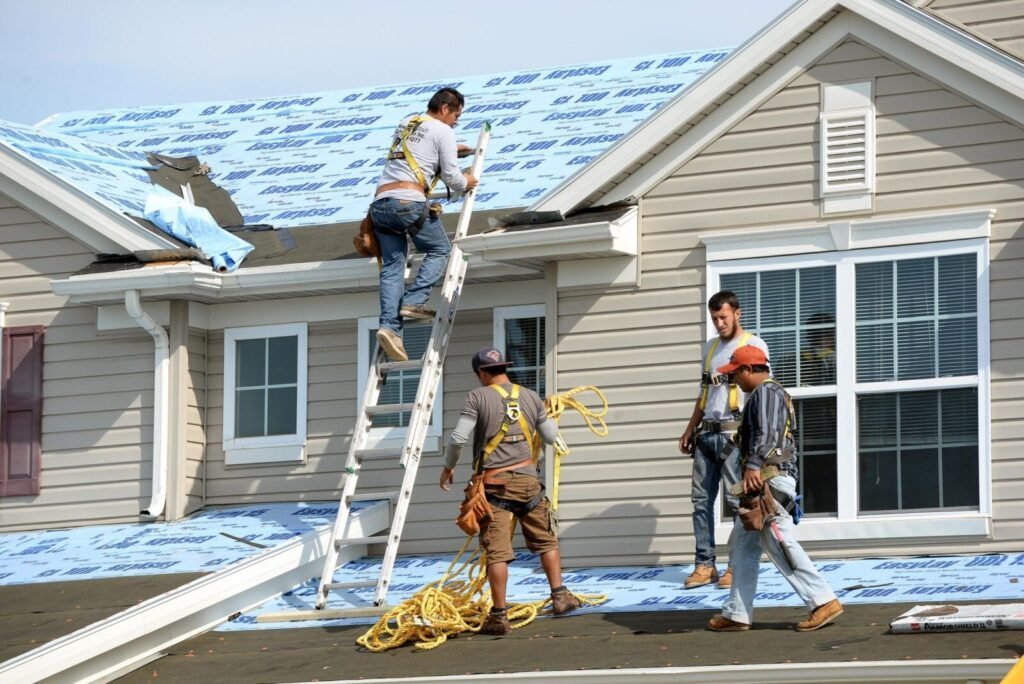
The Importance of Timely Roof Replacement
Replacing your roof at the right time can save you a considerable amount of money in the long run. A timely roof replacement prevents small issues from escalating into expensive repairs. Ignoring roof damage, such as missing shingles or leaks, can lead to water damage, structural issues, and higher replacement costs down the road.
In Houston, where weather conditions can be extreme, the risk of delaying roof replacement becomes even more apparent. For instance, storm damage can worsen an already compromised roof, necessitating a full roof replacement instead of a minor repair. Homeowners should be proactive in assessing roof damage and scheduling a replacement before costly issues arise.
How Roof Costs Have Evolved Over the Years?
Roof replacement costs have risen substantially over the years, driven by several factors. The national average cost of a new roof has increased in part due to material shortages and inflation, especially with the rise in demand for durable, energy-efficient options. Materials like slate roofing, metal roofing, and architectural shingles have become more expensive due to limited supply, while labor costs have also seen an upward trend as skilled roofers become harder to find.
In addition, environmental factors—such as the growing preference for eco-friendly roofing solutions—have contributed to the increase in roof replacement costs. Homeowners today are not just looking for affordable roofing but also durable materials that can withstand extreme weather conditions, which adds to the overall replacement cost.
Comprehensive Cost Breakdown for New Roofs
A new roof’s cost isn’t a one-size-fits-all figure. Several variables, including the material chosen, the size of the roof, and labor requirements, influence the total roof replacement cost in Houston, TX. Understanding the cost breakdown helps homeowners make informed choices while staying within budget.
Material Costs: From Asphalt to Slate
Material selection plays a major role in determining the cost of roof replacement. The most common roofing material in the United States is asphalt shingles, known for their affordability and ease of installation. The cost of asphalt shingles typically ranges from $100 to $400 per roofing square (100 square feet).
On the other hand, more premium materials like slate roofing, clay tiles, and metal roofing come with a higher price tag. Slate roofing, for example, can cost upwards of $1,000 per square, while clay tiles may cost between $700 to $1,000 per square. Metal roofs are another popular choice, with prices ranging from $600 to $1,200 per square depending on the type of metal used.
What Factors Determine the Cost of a New Roof?
Several factors determine a new roof’s cost, including the roof size, materials used (like asphalt shingles or metal), roof pitch, accessibility, labor costs in your area, and any additional features like skylights or chimneys. Remember to get multiple quotes to find the best deal.
Additionally, tile roofs and copper roofing can add substantial costs but are known for their longevity and unique aesthetic appeal. It’s essential for homeowners to evaluate the long-term benefits of each material when calculating the average roof replacement cost.
Labor Costs: What You Need to Know
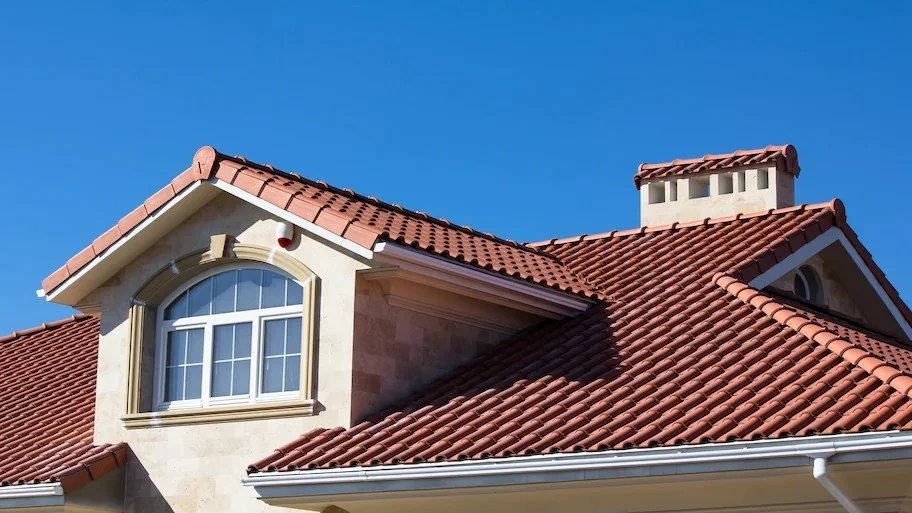
Labor costs can significantly affect the total cost of roof replacement, and these costs vary depending on the complexity of the roof and the roofing company you hire. For instance, a standard asphalt shingle installation may cost around $150 to $300 per square in labor, while more complicated roof designs or high-end materials may drive labor costs up. The complexity of the roof pitch, the size of the roof, and the need for additional labor for roof removal all influence pricing.
Roofers in Houston typically charge higher rates due to demand, as the city often experiences extreme weather, which increases the need for quick roof repairs and replacements. On average, labor can account for up to 60% of the total cost of roof replacement. It’s important to factor in these labor costs when budgeting for your new roof.
Factors Influencing Roof Replacement Costs in Houston, TX
Roof replacement costs can differ from one region to another, and in Houston, several local factors play a role in determining the final cost. These include the city’s climate and specific building codes and regulations.
The Impact of Houston’s Climate on Roofing Choices
Houston’s hot and humid climate, along with frequent storms and hurricanes, greatly impacts the choice of roofing material. Homeowners in Houston often opt for durable materials that can withstand high heat, humidity, and heavy rainfall. For example, metal roofs are increasingly popular in Houston due to their durability and ability to reflect heat, reducing energy costs.
Similarly, architectural shingles are a popular option due to their ability to withstand the region’s heavy storms. The average roof replacement cost in Texas can be higher compared to other regions due to these climate considerations. Homeowners should choose materials that not only fit their budget but also offer the necessary resilience against Houston’s extreme weather conditions.
Local Regulations and Permit Requirements
Local building codes and permit requirements in Houston can also influence roof replacement costs. In Houston, homeowners may be required to obtain permits for roof replacement, especially for extensive work or when altering the type of roofing material. The permit process may incur additional costs and delays, impacting the overall project timeline.
Additionally, roofing contractors in Houston are required to meet certain licensing and insurance standards, which can also affect the cost of roof replacement. It’s crucial to work with licensed roofing contractors who are familiar with local codes and regulations to ensure a smooth, compliant installation. Permits and inspections may add an extra $200 to $500 to the cost of roof replacement, depending on the size and complexity of the project.
Choosing the Right Material for Your Houston Home
Selecting the right roofing material is one of the most important decisions you’ll make during a roof replacement project. The material you choose will not only influence the overall cost but also impact the durability and aesthetic appeal of your home. In Houston, where extreme weather conditions can quickly wear down roofs, it’s crucial to choose a material that can withstand high heat, humidity, and occasional storms.
Pros and Cons of Popular Roofing Materials in Texas
Several roofing materials are commonly used in Texas, each with its own advantages and drawbacks:
- Asphalt shingles are the most affordable and widely used option, offering good performance and ease of installation at a low cost. However, they may not be as durable as other materials in the long term.
- Slate tiles provide exceptional durability and a unique aesthetic, but they are expensive and heavy, requiring additional structural support.
- Clay tiles are resistant to heat and moisture, making them a great choice for Texas homes, but they come at a higher price point and may not be suitable for all roof pitches.
- Metal roofing, including options like steel or aluminum, is highly durable, energy-efficient, and resistant to extreme weather conditions, though it can be one of the more expensive roofing materials.
Understanding the pros and cons of each material will help you make an informed decision that aligns with your budget and long-term goals.
Longevity and Durability of Materials in Texas Weather
Houston’s hot and humid climate, along with frequent storms and hurricanes, makes material selection even more important.
- Asphalt shingles typically last around 20-25 years but may require more frequent repairs due to storm damage and wear from the sun.
- Slate roofing, known for its longevity, can last over 100 years, making it a great option for homeowners looking for a long-lasting roof.
- Clay tiles are also highly durable, with a lifespan of up to 50 years, and they’re resistant to both heat and moisture.
- Metal roofs, particularly those made of steel or aluminum, are becoming increasingly popular in Houston due to their resistance to high winds, hail, and heat. They can last 50 years or more with proper maintenance.
The harsh Houston weather demands roofing materials that not only provide good insulation but also resist damage from heavy rain, humidity, and high temperatures. Metal and slate roofs are often the most resilient choices in this region.
Calculating Your Roof Replacement Cost
Calculating the cost of a new roof can seem like a daunting task, but with the right tools and resources, homeowners can get a clear estimate. Factors such as roof size, material choice, labor costs, and complexity of the installation all contribute to the final price.
When to Consider a Partial Roof Replacement?
A partial roof replacement can be a cost-effective option if only certain areas of your roof are damaged or showing signs of wear. For example, if only a few missing shingles or a small section of the roof is compromised, you may be able to repair or replace only that section instead of opting for a full roof replacement.
This is typically a good choice if your existing roof is in decent condition overall but requires minor repairs or additional labor for specific areas. However, if your roof is nearing the end of its lifespan, it may be more cost-effective in the long run to opt for a full replacement to avoid future repairs and potential roof damage.
Maximizing Your Investment in a New Roof
Investing in a new roof is a major decision, and ensuring that you get the best return on your investment is crucial. By choosing energy-efficient options, taking advantage of warranties, and considering your homeowners insurance coverage, you can ensure that your new roof provides long-term value and protection for your home.
Energy-Efficient Options for Texas Homes
Energy-efficient roofing options, such as cool roofs or roofs with reflective coatings, can help reduce your home’s energy bills, especially in hot climates like Texas. Metal roofing and certain types of tile roofing are known for their reflective properties, helping to reduce heat absorption and keep your home cooler during the summer months.
Cool roofs reflect more sunlight and absorb less heat, which can lower the need for air conditioning and reduce energy costs. For homeowners in Houston, an energy-efficient roof is not only a smart choice financially but also an eco-friendly option that reduces your home’s carbon footprint. Installing energy-efficient roofing can often pay for itself over time through reduced energy consumption.
Warranties and Insurance: What to Look For?
When installing a new roof, it’s essential to consider the warranty options available. A good warranty can protect you against defects in material or craftsmanship, which could save you significant repair costs down the line. Many roofing materials come with manufacturer warranties, which typically last anywhere from 20 to 50 years, depending on the type of material. In addition to material warranties, you should also consider the warranty offered by the roofing contractor, which covers workmanship. Homeowners insurance is another important factor to consider during roof replacement.
In the event of storm damage or other incidents, your insurance may cover part of the roof replacement costs. Be sure to review your homeowners insurance policy to understand what’s covered and whether you need additional coverage for roof repairs or replacement due to storm damage.
The Replacement Process: What to Expect?
Replacing a roof is a multi-step process that typically takes a few days to complete, depending on the size and complexity of the roof. Understanding the steps involved will help you plan and prepare for the project. From the initial inspection to the final clean-up, here’s what you can expect throughout the roof replacement process.
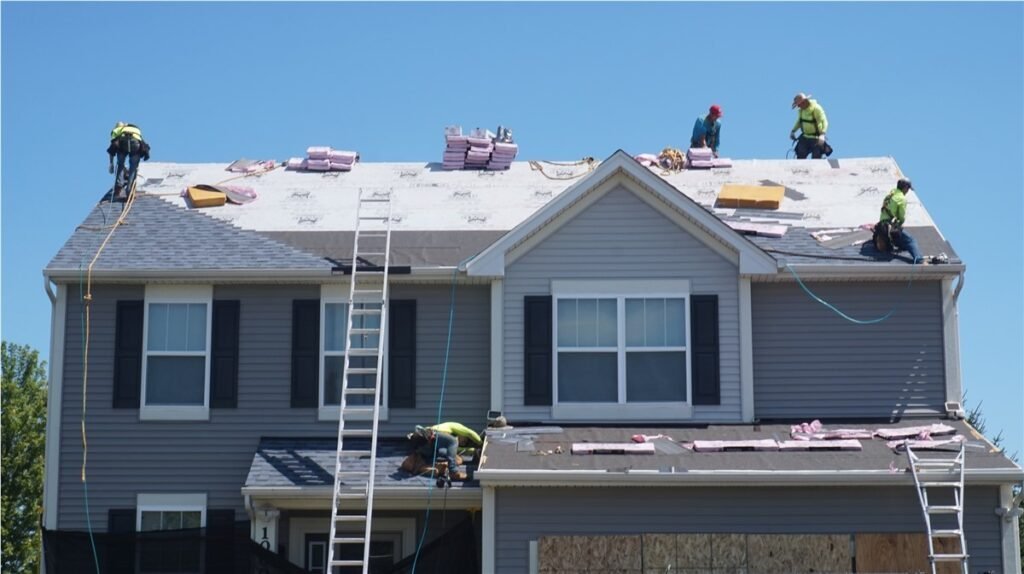
Timeline and Steps for Roof Replacement in Houston
A typical roof replacement in Houston follows these steps:
- Inspection and Assessment: A roofing contractor will begin by inspecting your roof to assess the damage and determine the scope of the project.
- Material Selection: After choosing the roofing material, the contractor will schedule the replacement and order the necessary supplies.
- Roof Removal: Any old roofing material, including shingles or tiles, will be removed.
- Roof Installation: The contractor will install the new roofing system according to local building codes and the specifications for the selected material.
- Final Inspection and Clean-Up: Once the installation is complete, a final inspection is done, and the area is thoroughly cleaned.
The total time for roof replacement typically ranges from a few days to a week, depending on the size of your roof and weather conditions.
Preparing Your Home for Roofing Work
Before the roofing team arrives, homeowners should prepare by:
- Clearing the area around the home: Move vehicles, outdoor furniture, and any obstacles that might obstruct the work area.
- Protecting landscaping: Consider covering plants or shrubs to prevent damage from falling debris.
- Making interior preparations: Some vibrations may be felt inside, so moving items that could be affected is a good idea.
- Discussing logistics with the contractor: Coordinate on access points, work hours, and any concerns regarding your home’s layout.
Proper preparation helps ensure the roof replacement process goes smoothly and efficiently.
Conclusion
Replacing your roof is a significant investment, but with the right planning, materials, and contractor, it can add lasting value to your home. Understanding the costs, materials, and factors involved in roof replacement will help you make informed decisions.
Whether you’re considering energy-efficient options or choosing the best material for Houston’s climate, RJT Construction is here to help. Contact us today for expert roof replacement services in Houston, and trust our experienced team to guide you through every step of the process.
FAQs
How Long Does a Typical Roof Replacement Take in Houston?
On average, a roof replacement in Houston takes between 3 to 7 days, depending on the size of the roof and weather conditions. A full roof replacement may take longer if additional repairs are required or if there are multiple layers of roofing to remove. Labor costs and roof pitch also influence the timeline. Smaller roofs can be replaced quickly, while larger, more complex roofs may take longer to complete.
Can Solar Panels Be Integrated with All Roofing Materials?
Yes, solar panels can generally be integrated with all roofing materials, but some materials are better suited than others. Metal roofing and asphalt shingles are ideal for solar panel integration because they provide a solid, flat surface for mounting. Slate tiles and clay tiles may require special mounting systems due to their fragility and uneven surfaces. If you’re considering solar panels, consult with both your roofing contractor and a solar installation expert to ensure compatibility with your chosen roofing material.
How Much Does It Cost to Change a Roof in 2026? Complete Guide
Last Updated: January 2026 | RJT Construction | Houston, TX | (832) 979-4175
If you are searching for the roof cost of a complete replacement, you already know that getting straight answers is harder than it should be. Contractors throw out vague ranges, websites bury real numbers, and homeowners end up blindsided by invoices they never saw coming. This guide changes that. Whether you need a new roof on a 1,500-square-foot bungalow in Katy or a 50,000-square-foot commercial warehouse off Beltway 8, this is the only resource you will need in 2026.
At RJT Construction, we have replaced hundreds of roofs across Houston and surrounding areas. We have built this guide using real project data, current material costs, and the Houston-specific variables that national websites completely ignore — hurricane wind ratings, intense UV exposure, the impact of hail season on insurance claims, and more.
Table of Contents
- Average Roof Replacement Cost in 2026
- Cost by Roof Type
- Cost by Roof Size (Pricing Tables)
- Commercial vs. Residential Roof Replacement Costs
- Factors That Affect Roof Cost
- Signs You Need a New Roof vs. a Repair
- How to Save Money on a New Roof
- ROI: Does a New Roof Increase Property Value?
- Houston-Specific Factors
- Frequently Asked Questions
1. Average Roof Replacement Cost in 2026
The national average cost for a full roof replacement in 2026 sits between $5,700 and $16,000 for a standard residential home, with a midpoint around $8,500. However, averages are tricky. That range covers everything from a bare-bones 3-tab asphalt re-roof in rural Oklahoma to a high-end architectural shingle job in a Houston suburb with steep pitch, multiple dormers, and new decking.
In Houston and the greater Gulf Coast area, expect to pay slightly above national averages. The primary drivers include higher labor costs reflective of our strong construction market, mandated wind resistance ratings (more on that in Section 9), the frequent need to address storm damage during tear-off, and the cost of disposing of old material in a major metro area. The average roof cost for a Houston-area home runs between $6,500 and $18,000, depending on size, pitch, and material.
| Scope | National Average | Houston Average | High-End Range |
|---|---|---|---|
| Small Home (under 1,500 sq ft) | $5,200 – $8,000 | $5,800 – $9,000 | Up to $14,000 |
| Medium Home (1,500–2,500 sq ft) | $7,500 – $12,000 | $8,500 – $13,500 | Up to $22,000 |
| Large Home (2,500–4,000 sq ft) | $11,000 – $18,000 | $12,500 – $20,000 | Up to $35,000 |
| Commercial / Low-Slope (per sq) | $350 – $700 / sq | $400 – $750 / sq | $900+ / sq |
Note: One “square” in roofing equals 100 square feet of coverage. Prices above include material and labor unless noted otherwise.
2. Roof Cost by Roof Type
Your choice of roofing material is the single largest variable in your roof replacement cost. Here is a breakdown of every major roofing system — what it costs, how long it lasts, and whether it is a smart choice for Houston’s climate.
Asphalt Shingles
Asphalt shingles are the most popular residential roofing material in the United States for good reason: they offer a reasonable balance of cost, durability, and aesthetics. In Houston, asphalt shingles dominate the residential market. Three-tab shingles are the cheapest option but are being phased out in favor of architectural (dimensional) shingles, which are thicker, more wind-resistant, and carry better warranties.
- 3-Tab Asphalt: $3.50–$5.50 per square foot installed
- Architectural / Dimensional: $4.50–$7.50 per square foot installed
- Impact-Resistant (Class 4): $6.00–$9.50 per square foot installed — highly recommended in Houston for insurance discounts
- Lifespan: 20–30 years (architectural); 15–20 years (3-tab)
Metal Roofing
Metal roofing is surging in popularity across Texas, and for good reason. It handles heat, wind, and hail far better than most alternatives. Metal roofing reflects solar radiation, potentially reducing cooling costs by 10–25%, which matters enormously in a Houston summer. Standing seam metal roofs are the premium option; corrugated and exposed-fastener metal panels are more economical.
- Corrugated / R-Panel Metal: $5.00–$8.00 per square foot installed
- Standing Seam Metal: $10.00–$17.00 per square foot installed
- Lifespan: 40–70 years
- Wind resistance: up to 140+ mph when properly installed
TPO (Thermoplastic Polyolefin)
TPO is the dominant flat and low-slope roofing membrane for commercial buildings and is increasingly used on residential flat roofs in modern Houston construction. It is white or light-colored, highly reflective, and Energy Star rated. TPO is heat-welded at the seams, creating a virtually waterproof bond.
- Cost: $5.50–$9.00 per square foot installed (commercial); $7.00–$11.00 (residential flat roof)
- Lifespan: 15–25 years
EPDM (Ethylene Propylene Diene Monomer)
EPDM is a black rubber roofing membrane long favored for commercial flat roofs. It is highly durable, resistant to ozone and UV exposure, and relatively easy to repair. The downside in Houston is its dark color absorbs heat, making it less energy-efficient than TPO unless a reflective coating is applied.
- Cost: $4.50–$8.00 per square foot installed
- Lifespan: 20–30 years
Modified Bitumen
Modified bitumen is a multi-layer asphalt-based system used on low-slope commercial and residential roofs. It offers excellent waterproofing and can be applied with torch-down, cold-adhesive, or self-adhering methods. Modified bitumen remains a solid mid-tier option for Houston commercial buildings.
- Cost: $4.00–$8.00 per square foot installed
- Lifespan: 15–25 years
Tile Roofing (Clay & Concrete)
Clay and concrete tile roofs are prevalent in Houston’s upscale neighborhoods and Spanish/Mediterranean-style homes. Tile is extremely durable and performs well in heat but is heavy (requiring structural verification) and expensive.
- Concrete Tile: $9.00–$13.00 per square foot installed
- Clay Tile: $12.00–$20.00 per square foot installed
- Lifespan: 40–50+ years
Slate Roofing
Natural slate is the most premium roofing material available. It is extraordinarily durable — some slate roofs last well over 100 years — but the cost and weight are significant. Synthetic slate offers a more affordable alternative at roughly 40–60% of the cost.
- Synthetic Slate: $10.00–$15.00 per square foot installed
- Natural Slate: $18.00–$30.00 per square foot installed
- Lifespan: 75–150 years (natural)
| Roofing Material | Cost Per Sq Ft (Installed) | Cost Per Square (100 sq ft) | Lifespan | Best For |
|---|---|---|---|---|
| 3-Tab Asphalt Shingles | $3.50 – $5.50 | $350 – $550 | 15–20 yrs | Budget residential |
| Architectural Asphalt Shingles | $4.50 – $7.50 | $450 – $750 | 25–30 yrs | Most residential |
| Impact-Resistant (Class 4) Shingles | $6.00 – $9.50 | $600 – $950 | 25–30 yrs | Houston hail zones |
| Metal (Corrugated / R-Panel) | $5.00 – $8.00 | $500 – $800 | 40–50 yrs | Residential & light commercial |
| Standing Seam Metal | $10.00 – $17.00 | $1,000 – $1,700 | 50–70 yrs | Premium residential, commercial |
| TPO Membrane | $5.50 – $9.00 | $550 – $900 | 15–25 yrs | Flat / low-slope roofs |
| EPDM Membrane | $4.50 – $8.00 | $450 – $800 | 20–30 yrs | Commercial flat roofs |
| Modified Bitumen | $4.00 – $8.00 | $400 – $800 | 15–25 yrs | Low-slope commercial |
| Concrete Tile | $9.00 – $13.00 | $900 – $1,300 | 40–50 yrs | Upscale residential |
| Clay Tile | $12.00 – $20.00 | $1,200 – $2,000 | 50+ yrs | Premium / Mediterranean style |
| Natural Slate | $18.00 – $30.00 | $1,800 – $3,000 | 75–150 yrs | Luxury / historic homes |
3. Roof Replacement Cost by Roof Size
Roof size is measured in “squares” — one square equals 100 square feet. Your roof is typically larger than your home’s footprint due to overhang and pitch. A 2,000 square foot home may have a roof of 22–28 squares depending on its pitch. The tables below use architectural asphalt shingles as the baseline and include tear-off, decking inspection, underlayment, and installation.
| Home Size (Sq Ft) | Est. Roof Size (Squares) | Asphalt Shingles | Metal Roofing | Tile Roofing |
|---|---|---|---|---|
| 1,000 sq ft | 12–14 squares | $4,800 – $8,400 | $7,500 – $14,000 | $11,000 – $18,200 |
| 1,500 sq ft | 17–20 squares | $6,800 – $11,500 | $10,200 – $19,500 | $15,300 – $26,000 |
| 2,000 sq ft | 22–26 squares | $8,800 – $14,400 | $13,500 – $25,000 | $19,800 – $33,800 |
| 2,500 sq ft | 27–32 squares | $10,800 – $18,500 | $17,000 – $31,000 | $24,300 – $41,600 |
| 3,000 sq ft | 33 |