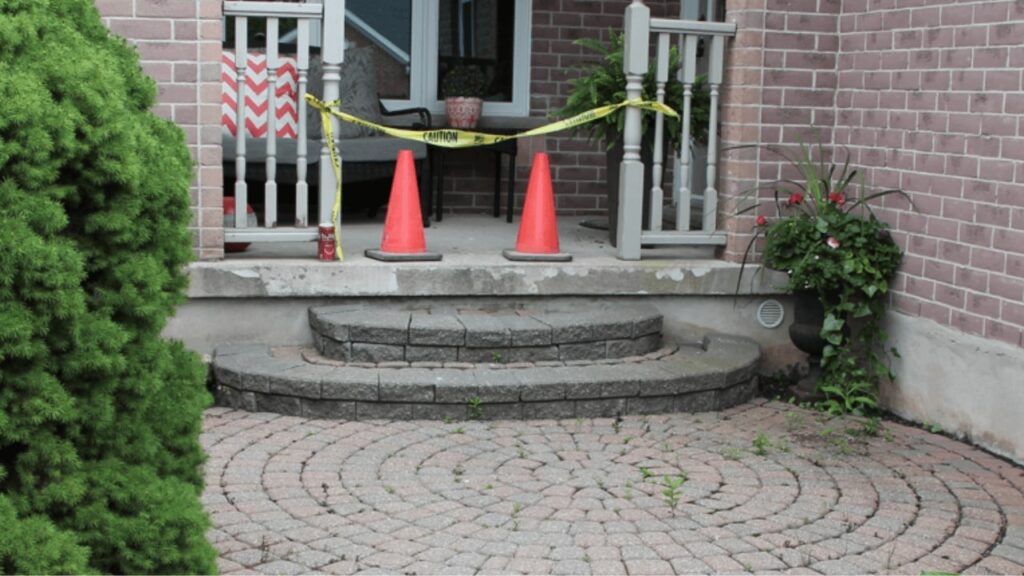
Concrete steps play a crucial role in ensuring the safety and aesthetics of your home or business property in Houston. Over time, these steps can experience wear and tear due to weather conditions, foot traffic, and other external factors, resulting in cracks, spalling, and deterioration. Proper maintenance and timely repair are essential to preserve the functionality and appearance of concrete steps.
Neglecting repairs can lead to safety hazards and a decrease in curb appeal. This guide will walk you through the essential steps for repairing concrete steps and highlight why choosing a trusted contractor like RJT Construction is key to achieving long-lasting results.
Identifying Common Issues with Concrete Steps in Houston
Cracks and Chipping: Causes and Immediate Concerns
Concrete steps are prone to deterioration over time due to various factors, with cracks and chipping being among the most common issues. Cracks form when internal pressure builds up, either from moisture infiltration or the expansion of freezing water during the winter months. Concrete spalling occurs when the surface layer flakes off, exposing the underlying aggregate.
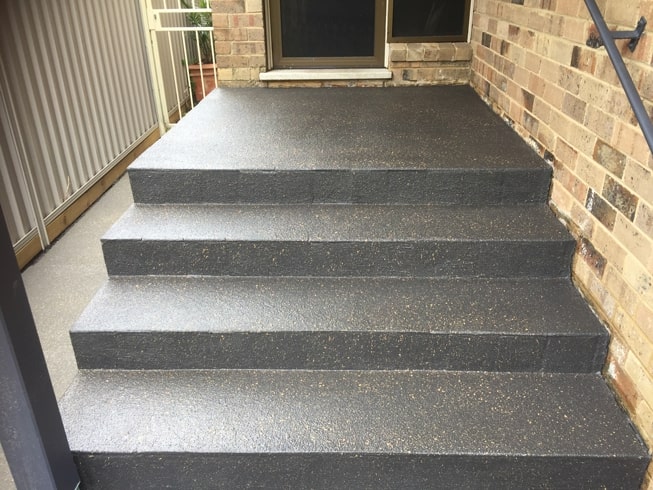
The immediate concern with cracks and chips is that they compromise the structural integrity of the steps, making them unstable and unsafe. If not addressed quickly, cracks can expand, leading to more significant damage, including larger spalled areas, which could require more extensive repairs or even full reconstruction. Additionally, the appearance of chipped concrete negatively impacts the aesthetic value of the property, reducing curb appeal.
Weather Impact: Freeze-Thaw Cycles and Heat Stress
Houston’s fluctuating weather conditions contribute significantly to the wear and tear of concrete steps. Freeze-thaw cycles, where water seeps into cracks, freezes, and expands during colder months, cause the concrete to crack and spall. Additionally, heat stress from Houston’s hot summers accelerates surface erosion, as the constant exposure to high temperatures can weaken the surface layer of the concrete.
This moisture, combined with corrosion from metal rebar within the concrete, further degrades the steps. Over time, these weather impacts can cause the surface of the patch to deteriorate if not properly maintained, reducing the overall durability and effectiveness of the repair.
Effective Solutions for Repairing Concrete Steps
Patching Compounds and Their Applications
When repairing concrete steps with spalled surfaces, the use of high-quality patching compounds is crucial for restoring both the appearance and functionality of the steps. One of the best options for patching is vinyl concrete patcher, which is specifically designed to adhere strongly to the concrete surface, ensuring durability and preventing further damage.
The role of aggregates within the patching compound is essential as they provide the necessary texture and strength, mimicking the original concrete structure. These patching compounds not only fill cracks and voids but also offer a seamless repair by bonding with the surrounding concrete, creating a smooth and uniform surface. For maximum results, it’s important to clean the damaged area thoroughly, ensuring proper adhesion of the patch and a long-lasting repair.
When to Consider Reconstructing Steps Instead of Repairing
In some cases, patching might not be sufficient to restore the concrete steps. If the damage is extensive, particularly if the underlying concrete mix is compromised, reconstruction may be the best option. Key indicators that patching will not be effective include large areas of spalling, widespread cracks, or damage that reaches the rebar or internal structural components of the concrete.
In these situations, simply patching the surface may not address the deeper issues, and the repaired steps could fail prematurely. Reconstructing the steps ensures that the structural integrity is fully restored, providing a safe and durable solution in the long term.
Step-by-Step Process for Concrete Step Repair by RJT Construction
Evaluation and Damage Assessment
The first step in repairing concrete steps is a thorough evaluation and damage assessment. This process begins by carefully inspecting the surface for visible signs of spalling, cracks, and voids. It’s essential to identify the depth and extent of the damage, as well as the cause.
For cracks, check if there is internal pressure or if moisture infiltration has contributed to the damage. Voids beneath the surface can indicate that the concrete is deteriorating from within. The surrounding concrete should also be inspected to ensure that the damage hasn’t spread beyond the visible cracks.
Choosing the Right Materials for Durable Repairs
Once the assessment is complete, the next step is selecting the right repair materials to ensure long-lasting repairs. High-quality materials are essential for the durability of the repair, ensuring that the patched concrete can withstand future wear and tear. For the best results, cement and mortar with strong adhesion properties should be used to ensure a solid bond between the patch and the existing concrete.
Why Choose RJT Construction for Your Concrete Repair Needs?
RJT Construction has built a strong reputation in Houston for successfully completing both commercial and residential concrete repair projects. Our expertise includes handling spalled concrete, addressing severe cracking, and managing the deterioration of concrete steps caused by weather conditions or poor foundation work. We utilize advanced repair techniques and cutting-edge materials to ensure that all repairs are durable and aesthetically pleasing.
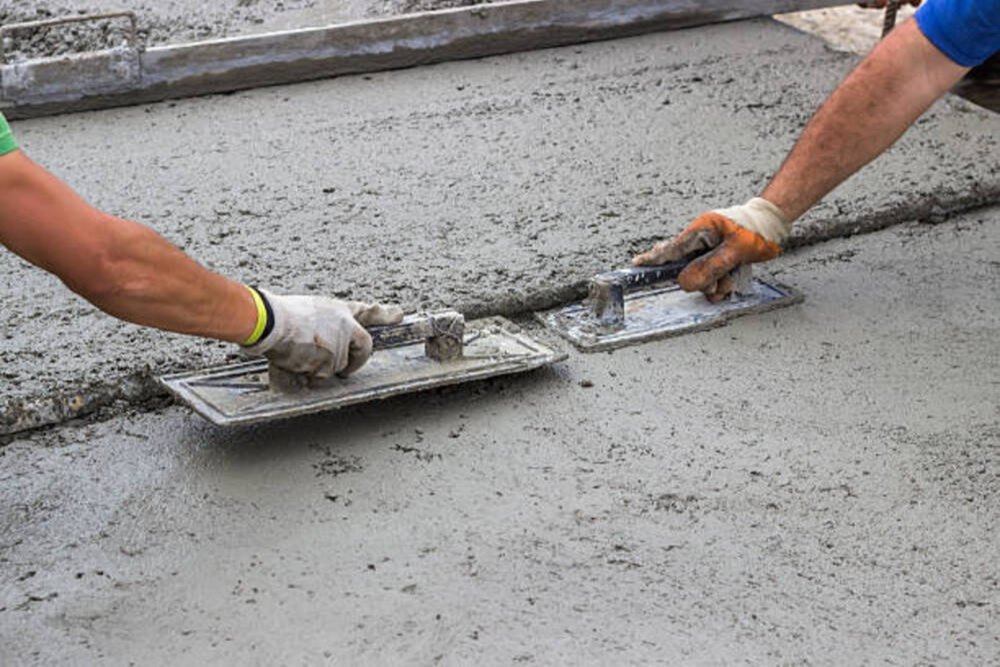
Our skilled team is adept at surface preparation, ensuring a perfect bond between the repair material and the original concrete, which significantly prolongs the life of your concrete steps. We take pride in restoring the functionality and appearance of your steps, helping to maintain the safety and curb appeal of your property.
Conclusion
Timely repair of concrete steps is essential to maintain the safety, functionality, and appearance of your property. Whether you’re dealing with cracks, spalling, or weather-related damage, addressing these issues early can save you money and prevent further deterioration. Choose RJT Construction for professional, durable concrete repair solutions that you can trust. Our experience, attention to detail, and commitment to quality ensure that your concrete steps will stand the test of time.
Conclusion
Timely repair of concrete steps is essential to maintain the safety, functionality, and appearance of your property. Whether you’re dealing with cracks, spalling, or weather-related damage, addressing these issues early can save you money and prevent further deterioration. Choose RJT Construction for professional, durable concrete repair solutions that you can trust. Our experience, attention to detail, and commitment to quality ensure that your concrete steps will stand the test of time.
Questions
What is the lifespan of repaired concrete steps?
The lifespan of repaired concrete steps depends on the materials used and how well the repair is done. With high-quality cement, mortar, and patching compounds, repaired steps can last for many years. Regular maintenance and prompt repairs also contribute to longevity.
How often should concrete steps be inspected and maintained?
Concrete steps should be inspected at least once a year, especially in areas prone to harsh weather. Regular maintenance helps detect early signs of damage, such as cracks or erosion, preventing further deterioration and costly repairs.
Can all types of concrete damage be repaired?
Most concrete damage, including cracks, corrosion, and spalling, can be repaired. However, severe damage to the foundation or extensive rebar corrosion may require full reconstruction rather than just patching.
What makes RJT Construction different from other contractors in Houston?
RJT Construction stands out for its attention to detail, use of high-quality materials, and focus on customer satisfaction. We ensure that all repairs are done professionally, with an emphasis on durability, proper adhesion, and timely delivery, making us a trusted choice for concrete repair in Houston.
Cement Step Repair: The Complete Guide to Fixing Concrete Steps in Houston
Cracked, crumbling, or uneven concrete steps are more than an eyesore — they are a serious safety hazard for your home, business, or commercial property. Whether you are dealing with a single chipped corner or widespread structural deterioration, understanding your options for concrete step repair can save you thousands of dollars and prevent dangerous accidents. At RJT Construction, we provide expert repair services across Houston, TX and surrounding areas. This guide covers everything you need to know about cement step repair, from identifying the problem to choosing the right materials and knowing when to call a professional.
If your steps need immediate attention, contact our team today at (832) 979-4175 or visit our concrete services page to learn more about what we offer.
1. Common Causes of Concrete Step Damage
Before you can effectively repair concrete steps, it helps to understand why damage occurs in the first place. Identifying the root cause ensures the repair lasts and does not simply reappear months later.
Freeze-Thaw Cycles
Even in Houston, temperature fluctuations cause water to expand and contract inside tiny pores in concrete. Over time, this internal pressure fractures the surface, leading to spalling, flaking, and cracks.
Moisture and Water Intrusion
Houston’s humid subtropical climate means concrete steps are constantly exposed to moisture. Water seeping into micro-cracks can erode the internal aggregate, weakening the structural integrity of the step system.
Heavy Load and Impact Damage
Repeated foot traffic, heavy furniture moving, or vehicle impact near exterior steps can crack or chip concrete. Commercial properties with high pedestrian volume are especially vulnerable.
Poor Original Installation
Improperly mixed concrete, insufficient curing time, or incorrect reinforcement during the original installation can lead to premature deterioration. This is why professional installation and service matter from day one.
Soil Settlement and Erosion
Houston’s expansive clay soils are notorious for shifting. When the ground beneath your concrete steps settles or washes away, steps can crack, tilt, or sink completely.
Chemical and Salt Exposure
De-icing salts, fertilizers, and cleaning chemicals can break down the cement binder, causing surface erosion and eventual structural compromise.
2. DIY vs Professional Concrete Step Repair: When to Call a Pro
Not every cement step repair project requires a contractor, but knowing the limits of a DIY approach is critical for your safety and the longevity of the repair.
When DIY Is Appropriate
- Small surface cracks less than ¼ inch wide
- Minor chipping on step edges or corners
- Cosmetic surface pitting with no structural compromise
- Single-step repairs with accessible material and stable substrate
For these minor issues, a DIY cement step repair using a pre-mixed concrete patching compound can be effective if applied correctly.
When to Call a Professional
- Cracks wider than ½ inch or running through the full depth of the step
- Multiple steps affected simultaneously
- Steps that are sinking, tilting, or visibly displaced
- Water is pooling on or around the step structure
- Crumbling that exposes rebar or internal aggregate
- Commercial properties where code compliance and liability are concerns
For complex or large-scale damage, professional repair services from RJT Construction ensure the job is done safely, correctly, and with materials rated for long-term durability. Our team also handles building repairs and structural assessments to identify hidden damage that a surface-level inspection might miss.
3. Step-by-Step Concrete Step Repair Process
Whether you are tackling a small DIY project or overseeing a professional job, understanding the standard process for concrete step repair helps you evaluate quality and set expectations.
Step 1: Assessment and Safety Preparation
Begin by inspecting all steps for cracks, crumbling, hollow spots (tap the surface with a hammer — a hollow sound indicates delamination), and drainage issues. Wear safety glasses and gloves. Cordon off the area to prevent foot traffic during repair.
Step 2: Remove Deteriorated Concrete
Use a cold chisel and hammer or an angle grinder to remove all loose, flaking, or crumbling concrete. Undercut the edges slightly (create a backward-slanting edge) so the new patch has mechanical grip. Do not leave any loose material — it will compromise the bond.
Step 3: Clean the Surface
Thoroughly clean the repair area with a wire brush, then use a pressure washer or hose to remove dust and debris. Allow the surface to dry completely. For deep repairs, cleaning the rebar is essential — use a wire brush or grinder to remove rust before proceeding.
Step 4: Apply Bonding Agent
Brush a concrete bonding adhesive onto all exposed surfaces. This critical step ensures the new patch adheres to the existing substrate and does not pop off under load or temperature changes.
Step 5: Mix and Apply Repair Material
Choose the appropriate material (see Section 5 below) and mix according to manufacturer directions. Apply the material in layers if the repair is deep — no single layer should exceed 1 inch in most standard mixes. Use a trowel to press the material firmly and eliminate air pockets.
Step 6: Shape and Finish
Shape the repair to match the original step profile. Use a straight-edge to keep risers vertical and treads level. Finish the surface with a float for a smooth appearance, or add a broom finish for slip resistance — a critical safety consideration on exterior steps.
Step 7: Cure and Seal
Keep the repaired area moist for 24 to 72 hours to allow proper curing. After full cure (typically 7 to 28 days depending on the product), apply a penetrating concrete sealer to protect against moisture, chemicals, and future weathering.
4. Cost of Concrete Step Repair vs Replacement
One of the most common questions homeowners and business owners ask is whether to repair concrete steps or replace them entirely. Here is a realistic cost breakdown for the Houston market.
Concrete Step Repair Costs
- Minor surface patching (DIY): $20 – $80 in materials
- Professional small repairs (1–2 steps): $150 – $400
- Moderate repairs (multiple steps): $400 – $900
- Extensive structural repair: $900 – $2,500+
Concrete Step Replacement Costs
- Single step replacement: $300 – $700
- Full staircase replacement (4–6 steps): $1,500 – $5,000+
- Commercial step replacement: $5,000 – $15,000+
When Repair Makes More Financial Sense
If the structural base is sound and damage is limited to the surface or edges, cement step repair is almost always the more cost-effective choice. A skilled professional can extend the life of your existing steps by 10 to 20 years at a fraction of replacement cost.
When the substrate is severely compromised, rebar is extensively corroded, or the steps are sinking due to soil failure, replacement may be the smarter long-term investment. Our team at RJT Construction can assess your specific situation and provide an honest recommendation. Explore our full range of commercial construction services for larger-scale projects.
5. Materials for Concrete Step Repair: Mortar, Epoxy, Polymer
Selecting the right repair material is just as important as the technique. Here is what each option offers and when to use it.
Portland Cement Mortar
The traditional choice for cement step repair, mortar is a mixture of Portland cement, sand, and water. It is affordable, widely available, and matches the look of original concrete. Best for large-volume repairs where aesthetics and structural mass are priorities. Cure time is longer and shrinkage cracking is possible.
Polymer-Modified Concrete Patching Compound
This is the most popular material for concrete step repair houston contractors recommend. Polymer additives improve flexibility, bond strength, and resistance to moisture and freeze-thaw cycles. Products like Quikrete Vinyl Concrete Patcher are excellent for step edges and moderate repairs.
Epoxy-Based Repair Mortar
Epoxy systems offer the highest bond strength and chemical resistance. They are ideal for high-traffic commercial steps, industrial environments, or anywhere rapid return to service is needed. Epoxy repairs are more expensive but deliver exceptional durability.
Hydraulic Cement
Used specifically for repairs in wet or actively leaking conditions. Sets extremely fast and expands slightly as it cures to create a watertight plug. Not recommended as a primary structural repair material.
Concrete Resurfacer
For widespread surface pitting and minor cracking across an entire step system, a concrete resurfacer applies a thin new layer over the existing surface. This is a cost-effective way to restore appearance and add a new flooring-level surface to aging steps.
6. Repairing Crumbling Concrete Steps: The Complete Fix
Crumbling concrete steps are one of the most common and visually alarming forms of step damage. This condition, known as spalling, typically affects the outer layer of concrete and progresses inward if left untreated.
Diagnosing the Severity
Light spalling affects only the top ¼ inch. Moderate spalling reaches ½ to 1 inch deep and may expose aggregate. Severe spalling exposes rebar and compromises the step’s load-bearing capacity — this requires immediate professional attention for safety reasons.
The Repair Process for Crumbling Steps
- Remove all crumbling material with a chisel or grinder until you reach solid concrete
- Wire brush and clean the area thoroughly
- Treat any exposed rebar with rust inhibitor
- Undercut edges to create mechanical bond points
- Apply bonding adhesive
- Fill with polymer-modified concrete patch in ½-inch layers
- Finish to match original profile
- Cure under damp burlap for 48 to 72 hours
- Seal with a penetrating silane-siloxane sealer
Our step repair Houston teams at RJT Construction handle crumbling step restoration for both residential and commercial properties across the greater Houston area. We use professional-grade polymer systems that far outperform big-box store patching products in both bond strength and longevity.
7. Preventing Future Concrete Step Damage in Houston’s Climate
Houston’s hot, humid climate combined with periodic heavy rains and the occasional freeze creates a challenging environment for exterior concrete. Here is how to extend the life of your repaired or new concrete steps.
Apply a Quality Sealer
Sealing your concrete steps every 2 to 3 years with a penetrating concrete sealer dramatically reduces moisture infiltration — the primary cause of surface deterioration in Houston.
Maintain Proper Drainage
Ensure water does not pool at the base of your steps. Grade the surrounding soil away from the structure and keep gutters and downspouts directing water away from the foundation.
Avoid Harsh Chemicals
Do not use ammonia-based cleaning products, bleach in high concentrations, or acidic cleaners on concrete steps. Use pH-neutral concrete cleaners for routine cleaning.
Prompt Crack Sealing
Fill hairline cracks as soon as they appear using a polyurethane or epoxy crack filler. Small cracks allowed to sit through Houston’s rain cycles become large, structural cracks quickly.
Regular Inspection
Inspect your steps seasonally — particularly after heavy rain events or any freeze. Early intervention through our repair services is always less costly than emergency structural work.
Professional Resurfacing
Every 8 to 12 years, consider professional resurfacing as part of a proactive maintenance system. This remodeling approach restores appearance, adds slip-resistance texture, and extends structural life significantly. Our remodeling and concrete services at RJT Construction provide comprehensive solutions for residential and commercial properties alike.
8. Frequently Asked Questions About Cement Step Repair
Q: How long does concrete step repair last?
A: A properly executed concrete step repair using quality polymer-modified materials can last 10 to 20 years or longer. Longevity depends on correct surface preparation, appropriate material selection, proper curing, and post-repair sealing. Professional repairs from RJT Construction typically outlast DIY patches significantly because we use commercial-grade materials and proven installation techniques.
Q: Can I repair concrete steps myself, or do I need a professional?
A: Minor surface chips and hairline cracks can be tackled DIY with the right materials and careful surface prep. However, for cracks wider than ½ inch, multiple damaged steps, sunken or tilted steps, or any commercial application, we strongly recommend calling a professional repair houston contractor. Improper repairs can fail quickly and may create additional safety hazards.
Q: What is the best product for cement step repair?
A: For most residential repairs, a polymer-modified concrete patching compound such as Quikrete Vinyl Concrete Patcher or Sakrete Top’N Bond offers excellent results. For commercial or high-traffic applications, epoxy-based repair mortars provide superior bond strength. Always pair any patching product with a bonding adhesive for maximum adhesion.
Q: How much does concrete step repair cost in Houston?
A: Concrete step repair houston costs typically range from $150 to $2,500+ depending on the extent of the damage, number of steps involved, and materials used. Most minor-to-moderate residential repairs fall in the $300 to $800 range. RJT Construction offers free assessments so you know exactly what you are dealing with before committing to any service.
Q: How do I know if my concrete steps need repair or full replacement?
A: If the structural base is solid and damage is limited to the surface layer, edges, or individual cracks, repair is almost always sufficient. If steps are sinking, tilting, have extensive rebar corrosion, or are crumbling from the inside out, replacement may be necessary. Our team at RJT Construction will perform an honest assessment and recommend the most cost-effective solution for your specific situation. Contact us today for an evaluation.
Get Expert Concrete Step Repair in Houston — Contact RJT Construction Today
Whether you need a simple patch on a residential front step or a comprehensive repair Houston project for a commercial staircase, RJT Construction has the experience, equipment, and expertise to get the job done right. We serve homeowners and businesses throughout Houston, TX with reliable, professional concrete services including concrete step repair, resurfacing, remodeling, and full replacement.
Our commitment to safety, quality materials, and lasting results sets us apart. We understand Houston’s unique climate challenges and design every repair system to withstand the heat, humidity, and shifting soils that are unique to this region.
Do not wait for a small crack to become a dangerous hazard or a costly replacement project. Reach out to our team today:
- Phone: (832) 979-4175
- Concrete Services: View Our Concrete Services
- Commercial Projects: Commercial Construction Services
- Building Repairs: Roof and Building Repairs
RJT Construction — Houston’s trusted name in concrete step repair, cement step repair, and professional construction services. Call (832) 979-4175 now for your free estimate.