How to Repair Crumbling Concrete in Houston | Expert Guide
Concrete is a fundamental material in many residential and commercial structures throughout Houston and the Greater Houston area. However, over time, factors such as weather, water intrusion, and heavy use can cause concrete surfaces to crumble. Whether you manage commercial properties, oversee residential remodeling projects, or are a contractor or builder, understanding how to repair crumbling concrete is essential to maintaining safety and structure integrity. This comprehensive guide by RJT Construction explains the causes, risks, and effective solutions for damaged concrete in Houston, including DIY steps, specialized repairs, and professional services.
Key Takeaways
- Crumbling concrete is often caused by water damage, freeze-thaw cycles, and poor installation practices common in Houston's climate.
- Timely concrete repair prevents safety hazards, further structural deterioration, and expensive replacements.
- DIY repairs are feasible for minor surface damage, but complex issues require professional concrete repair services with specialized equipment and expertise.
- Concrete raising and leveling techniques can fix uneven concrete surfaces without full replacement.
- RJT Construction offers licensed, bonded, and on-budget concrete repair solutions customized for Houston’s unique soil and weather conditions.
Understanding Crumbling Concrete: Causes and Risks
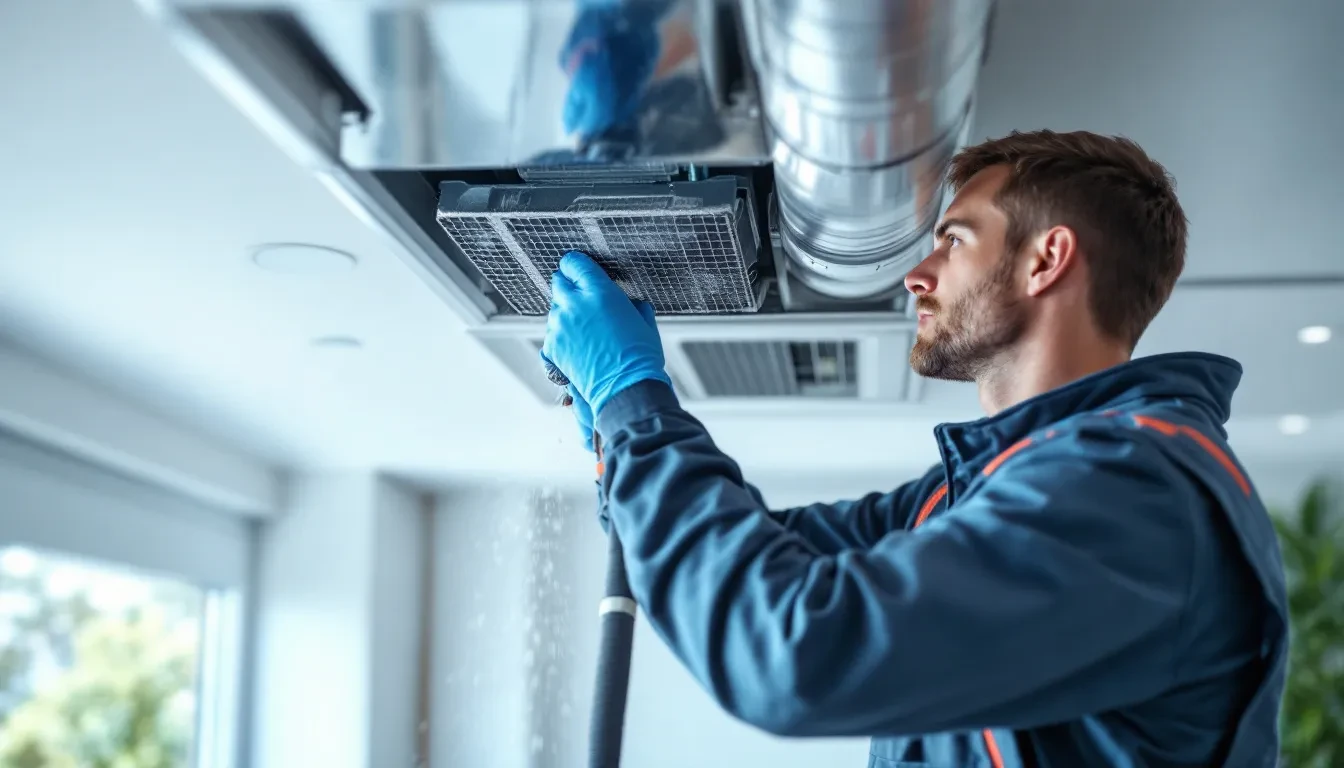
Crumbling concrete occurs when the surface or structural concrete begins to disintegrate, often leaving a powdery or flaking texture. In Houston and Harris County, specific factors accelerate this process:
Environmental Causes
- Water Damage: Houston’s humid climate and occasional heavy rains cause water to seep into concrete surfaces. Over time, this weakens the concrete matrix and erodes embedded steel reinforcement, known as rebar.
- Freeze-Thaw Cycles: Although less frequent than in colder climates, Houston experiences temperature fluctuations that cause trapped water in concrete to freeze and expand, causing cracks and spalling.
- Soil Movement: Houston’s expansive clay soils shift seasonally, stressing concrete foundations and slabs, leading to cracking and crumbling.
Construction and Material Issues
- Poorly mixed concrete or inadequate curing during installation weakens concrete surfaces.
- Improper drainage near concrete structures encourages standing water and moisture intrusion.
Risks of Neglecting Crumbling Concrete
Failing to repair damaged concrete poses safety risks such as tripping hazards on sidewalks or pool decks and potential structural failures in foundations and columns. Additionally, water infiltration can cause further damage to underlying materials, leading to costly repairs down the line.
Common Signs of Damaged Concrete Surfaces
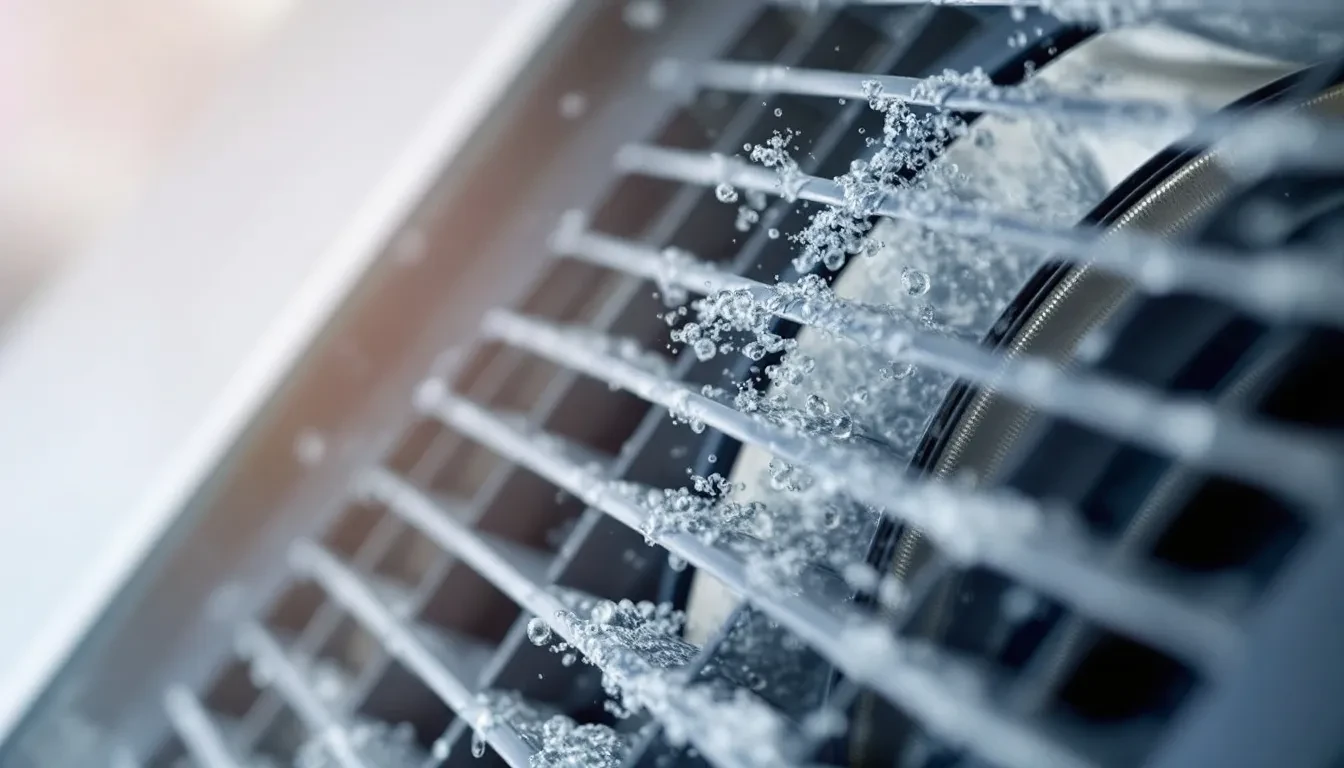
Recognizing early signs of crumbling concrete helps property managers and contractors act promptly. Look for:
- Surface Cracks: Small fissures often indicate stress or underlying problems.
- Spalling: Flaking or chipping of the concrete surface exposing aggregate.
- Discoloration: Areas with white powder (efflorescence) signaling moisture issues.
- Uneven Surfaces: Raised or sinking concrete slabs indicate ground movement or voids underneath.
- Exposed Aggregate or Rebar: Severe damage exposing the internal structure.
Why Timely Concrete Repair is Crucial for Safety

Concrete deterioration compromises the structural integrity of sidewalks, foundations, pool decks, and more. Left unrepaired, minor cracks can expand, leading to larger safety hazards including:
- Increased risk of trips and falls on uneven walkways
- Water infiltration that promotes corrosion and mold
- Foundation shifting or settlement that impacts entire structures
- Accelerated deterioration causing complete surface failure
Timely intervention through expert concrete repair services mitigates damage and saves considerable costs compared to full concrete replacement.
Step-by-Step Guide to Repairing Crumbling Concrete
Assess and Prepare the Area
- Identify damaged areas, clear debris, and remove loose concrete with a hammer and chisel or grinder.
- Clean the surface thoroughly to remove dust and contaminants using a pressure washer or stiff brush.
- Ensure the area is dry before beginning repairs to improve adhesion.
Fill Cracks and Holes
Use a quality concrete patching compound or epoxy filler for small to medium cracks. For larger holes:
- Apply a bonding agent to the existing concrete to enhance the new material’s adherence.
- Mix the concrete patch according to manufacturer instructions.
- Fill damaged areas evenly and compact the material.
- Smooth and level the surface with a trowel for a uniform finish.
Resurface for Extensive Damage
For broader crumbling or spalled surfaces, resurfacing with a concrete overlay designed for Houston’s outdoor conditions may be necessary:
- Apply a primer bonding slurry to improve surface adhesion.
- Spread the concrete resurfacer at recommended thickness, maintaining a flat level surface.
- Finish with a broom texture for slip resistance on sidewalks or pool decks.
Cure and Seal
After repairs, allow concrete to cure sufficiently (usually 24-72 hours depending on materials and weather). Apply a high-quality concrete sealer to protect against future water damage and weathering, essential in the humid Houston environment.
Addressing Uneven Concrete and Leveling Solutions
Uneven concrete surfaces are common due to soil settling, erosion, or poor installation. Concrete raising (also known as slabjacking or mudjacking) offers effective and cost-efficient solutions:
Common Concrete Leveling Techniques
- Mudjacking: Pumping a slurry of cement, sand, and water under concrete slabs to lift and level.
- Polyurethane Foam Injection: Injecting high-density polyurethane foam beneath the slab, which expands to fill voids and lifts concrete.
- Replacement: Complete removal and pouring new concrete for severely damaged or unsalvageable slabs.
Comparing Benefits
- Mudjacking: Durable, cost-effective, quick curing, but requires more material volume.
- Polyurethane Foam: Lightweight, fast curing, minimal excavation, but slightly higher material costs.
The choice depends on the site specifics, load requirements, and budget. Local experts understand Houston’s soil conditions to recommend the best method.
Specialized Repair for Foundations, Sidewalks, and Pool Decks
Different concrete structures require tailored repair approaches to address unique challenges:
Foundation Repair
- Identify settlement, cracking, or water intrusion signs that could jeopardize structural stability.
- Use epoxy injection or polyurethane foam for structural crack repairs.
- Employ foundation underpinning or helical pier systems for severe soil movement problems.
Sidewalk Repair
- Leveling uneven sections to prevent tripping hazards.
- Patching surface cracks and spalling with durable concrete repair products designed for pedestrian traffic.
- Adding slip-resistant textures where needed.
Pool Deck Repair
- Address moisture damage causing surface degradation and cracking.
- Use resurfacing compounds resistant to pool chemicals and UV exposure.
- Consider decorative finishes that enhance aesthetics and provide slip resistance.
Choosing Quality Concrete Repair Services in Houston
Selecting the right concrete repair contractor ensures safety, durability, and compliance with Houston building codes and permitting requirements:
- Licensed and Bonded: Verifies professional accountability and adherence to local regulations.
- Experienced in Houston Climate and Soils: Knowledge of local water tables, soil behavior, and climate impact on concrete longevity.
- Full Project Management: From inspection and permitting to repair execution and final inspections.
- Customized Solutions: Ability to tailor repair methods for complex commercial or residential concrete structures.
Professional Concrete Repair Services Offered by RJT Construction
RJT Construction provides comprehensive, on-time, and on-budget concrete repair services in Houston and the Greater Houston area, including:
- Concrete inspection and assessment for commercial and residential properties.
- Crack filling, surface patching, and concrete resurfacing.
- Concrete raising and leveling using polyurethane foam or mudjacking.
- Foundation stabilization and underpinning for shifting soil issues.
- Repair and refinishing of pool decks and sidewalks with non-slip coatings.
Our licensed and bonded team ensures quality workmanship that complies with Houston and Harris County codes. View our services page for more details or contact us for a consultation.
Maintenance Tips to Extend the Life of Your Concrete
Proper maintenance of concrete surfaces in Houston’s climate enhances service life and safety:
- Seal concrete surfaces every 2-3 years using breathable, water-repellent sealers.
- Ensure proper drainage around concrete structures to avoid standing water and water infiltration.
- Clean concrete regularly to remove debris and contaminants that accelerate wear.
- Address small cracks immediately to prevent moisture entry and structural compromise.
- In commercial areas, limit exposure to de-icing salts or harsh chemicals that accelerate surface damage.
Frequently Asked Questions About Houston Concrete Repair
Q: Is your concrete showing signs of cracks, spalling, or discoloration?
A: These signs indicate surface and potentially structural damage. Early repair prevents further deterioration. Contact professionals to assess the severity of problems and recommend proper repairs.
Q: What are people saying about masonry and concrete services in Houston, TX?
A: Houston-based customers emphasize the importance of reliable, timely, and quality repair contractors who understand local soil and climate conditions. Licensed and fully insured services with strong project management are highly valued.
Q: How can water damage affect my concrete surfaces in Houston?
A: Water penetrates porous concrete, leading to freeze-thaw cracks, corrosion of embedded steel, spalling, and reduced structural integrity, especially in Houston’s humid and wet environment.
Q: What are the best methods to level uneven concrete?
A: Two primary methods: mudjacking using a cement-based slurry or polyurethane foam injection. Both lift and stabilize slabs, but polyurethane foam cures faster and is lighter, advantageous in certain soil conditions.
Q: When should I call a professional for concrete repair services?
A: Call when damage is extensive, impacts safety, or occurs on structural elements like foundations. Professionals can ensure proper repair, comply with Houston codes, and address soil or water-related issues effectively.
For additional detailed guidance and professional concrete repair services tailored to Houston’s unique conditions, consult RJT Construction’s blog or reach out directly.
Contact RJT Construction today to schedule a thorough inspection and learn how we can help restore and maintain the integrity of your concrete surfaces, sidewalks, pool decks, and foundations in Houston and the Greater Houston area.