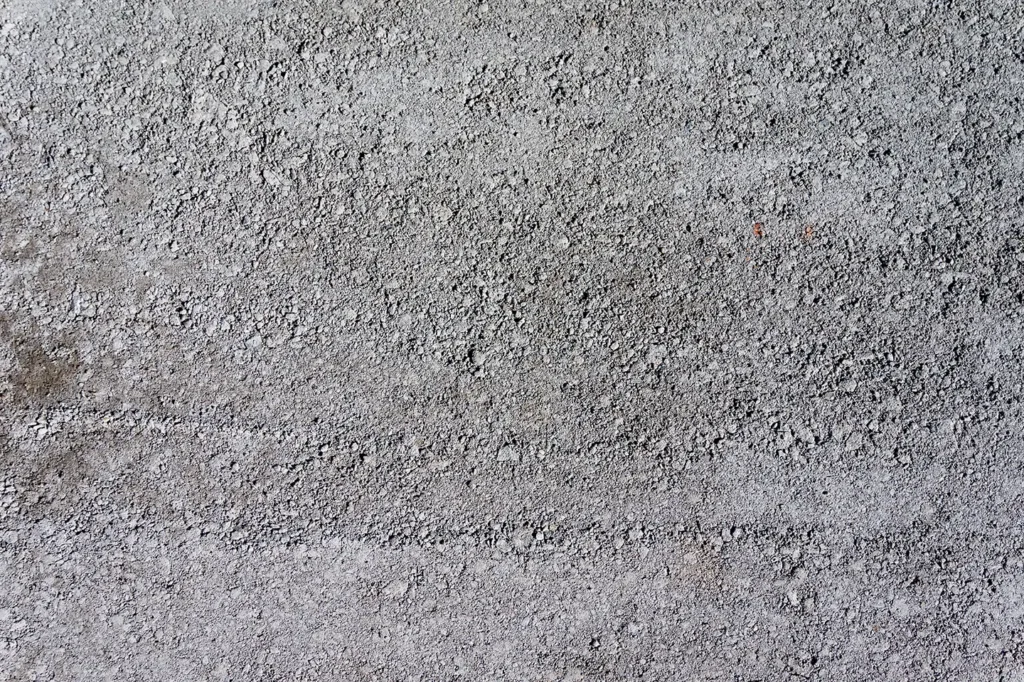
If you’re a business owner or contractor working on a commercial project, there are countless decisions to make—what kind of concrete should I use? There is no one size fits all answer to this question, of course. But if you’re looking for something that can reduce stormwater runoff and promote groundwater recharge while also proving reliable and durable in the long run, look no further than pervious concrete! This permeable material has been used successfully in parking lots, sidewalks, and more as it helps manage water retention with its unique benefits. So why not take advantage of them for your upcoming commercial building project? Keep reading to learn more about the wonders of pervious concrete!
What is Pervious Concrete and How Does it Work
Okay, folks, let’s talk about something exciting today – pervious concrete! Now, I know what you’re thinking, “concrete? exciting?” But trust me, this stuff is game-changing. So, what is it? Well, picture regular concrete, but with a twist – it’s porous, like a sponge! Crazy, right? This means water can pass right through it, rather than pooling on top or flooding the surrounding areas. It’s like your driveway becomes a superhero, fighting off excessive rain and stormwater. And, not to mention, it’s eco-friendly too. So, how does it work? The magic is in the mix. Pervious concrete is made with large aggregate stones and a little bit of sand, which creates small gaps that allow water to seep through. It’s like a perfectly crafted puzzle, each piece fitting together to create the ultimate drainage system. All in all, pervious concrete is one cool cat, saving the day and the environment, one pour at a time.
Benefits of Using Pervious Concrete
Did you know that pervious concrete has some surprising benefits? Not only is it eco-friendly, but it also allows for better drainage and reduces the risk of flooding. Plus, its porous surface helps to filter out pollutants from stormwater runoff, which is a win for the environment. And if you’re worried about slipping on a wet surface, don’t be – pervious concrete actually provides better traction! So next time you’re planning a construction project, consider using pervious concrete. Your planet (and your feet) will thank you.
Reasons to Use Pervious Concrete for Your Commercial Project
Let’s talk about pervious concrete. Now, I know what you’re thinking, “concrete is hardly a laughing matter.” But hear me out, folks. Pervious concrete is a game-changer for your commercial projects. Not only is it a more environmentally friendly option than traditional concrete, but it also mitigates stormwater runoff, reduces erosion, and improves the overall health of our precious waterways. Plus, you can impress all your friends at the next dinner party with your newfound knowledge of sustainable construction practices. Who wouldn’t want that? So, do your part in saving the environment and choose pervious concrete for your next commercial project. It’s a win-win situation – you get a great construction material and Mother Nature gets an even greater break.
a. Reduced Stormwater Runoff
Picture this: a heavy rain hits your neighborhood and suddenly the streets turn into rivers. Your shoes are soaked, cars are splashing water all over you and you’re wishing you had brought a canoe to work. But what if we told you there’s a solution? Reduced stormwater runoff is the answer! By implementing methods like rain gardens and permeable pavement, we can reduce the amount of rainwater that flows into our streets and prevent all of those pesky floods. Not only will you be able to keep your dry feet, but you’ll also contribute to a healthier environment. Give it a try and upgrade from a canoe to a paddleboard!
b. Lowers Costs in the Long Term
Hey, let’s talk money. We all want to save it, right? Well, according to research, investing in something that will lower your costs in the long term is the way to go. And who doesn’t love a good long-term investment? Not only will this help your wallet, but it’s also a practical move that’ll make you feel like a responsible adult. So, let’s try not to blow all our cash in one place and think about the future. Who knows, your future self might just thank you for it with a nice vacation or something. Plus, it’s always nice to have a sense of humor about these things – just think of all the ridiculous purchases you’ll be able to avoid. Happy (long-term) saving!
c. Aesthetic Appeal
When it comes to choosing anything in life, aesthetic appeal plays a major role. Whether it’s a new shirt, a car, or even a partner, we all want something that looks good. And let’s be honest, who doesn’t love a little eye candy? But it’s not just about appearances. Surrounding ourselves with objects that we find aesthetically pleasing can actually enhance our overall well-being and happiness. So go ahead, indulge in that statement piece for your living room or splurge on that designer handbag. Because at the end of the day, it’s not just about looking good, it’s about feeling good too.
How to Install Pervious Concrete for Your Project
So you want to install pervious concrete, huh? Well, first things first, let’s talk about what makes it so special. Pervious concrete is basically like a sponge – it lets water seep through it rather than pooling on top. This makes it a perfect choice for driveways, sidewalks, and any area where you want to avoid pesky puddles. Now, onto the installation process itself. Don’t worry, it’s not rocket science! You’ll want to start by digging out the area and creating a sturdy base. Then, pour in the pervious concrete and spread it out evenly. One tip – don’t try to do this alone unless you have arms the length of a giant squid. Grab some friends and make it a team effort. And finally, just sit back, relax, and watch as rainwater disappears into the ground like magic. Okay, maybe it’s not magic, but it’s pretty darn cool if you ask me.
Tips for Maintenance and Care of Your Pervious Concrete Surface
Okay folks, let’s get down and dirty with some tips for maintaining and caring for your pervious concrete surface. First off, don’t be afraid to do a little sweeping. Those pesky leaves and debris can build up and clog the pores of your concrete, which will lead to drainage problems. Second, keep an eye out for any potential oil spills or leaks. It’s important to clean those up right away, because oil can cause irreversible damage to your concrete. Finally, give your pervious concrete a good power washing every once in a while. Not only will it keep it looking good as new, but it helps to clear out any buildup that might be obstructing drainage. With just a little bit of TLC, your pervious concrete will be sure to keep on rocking and rolling.
Final Thoughts on Why You Should Invest in Pervious Concrete for Your Commercial Project
So, you’re thinking of investing in some pervious concrete for your commercial project? Let me tell you, friend, that’s a wise decision. Not only does it look cool (because who doesn’t love a good porous surface?), but it’s actually super practical too. With pervious concrete, water can seep through the surface and get absorbed into the ground below, which means no more pesky pooling or drainage issues. Plus, it’s a more environmentally-friendly option than traditional concrete. And if all that isn’t convincing enough, just imagine all the fun you’ll have yelling “pervious” at people as they walk by. Trust me, it never gets old. So go ahead and make the investment, and feel good knowing you made the right choice for both your project and the planet.
In Conclusion
In this blog, we have outlined what the heck pervious concrete is all about. Not only is it great for water conservation and runoff reduction, there’s no denying that it looks good! Furthermore, pervious concrete offers serious financial savings in the long run too. With its simple installation and straightforward maintenance tips, it really does make perfect sense to invest in pervious concrete for your commercial project. After investing the time and money into setting up a project like this, you can rest assured that you will be doing your part to help the environment, while also looking darn good out there doin’ it!
The Complete Guide to Pervious Concrete for Houston Commercial Properties
Published by RJT Construction | Serving Houston, TX and Surrounding Areas | Call Us: (832) 979-4175
When it comes to sustainable, functional, and high-performance paving solutions in Houston, Texas, few products match the versatility and long-term value of pervious concrete. Whether you manage a commercial property, oversee a municipal project, or are planning a large-scale parking lot renovation, understanding how pervious concrete works — and why it may be the best choice for your application — is essential knowledge for any property owner or construction decision-maker in our region.
At RJT Construction, we specialize in delivering the best concrete solutions across Houston and the greater Texas Gulf Coast area. In this comprehensive guide, we cover everything you need to know about pervious concrete: how it works, what it costs, how it compares to traditional concrete, and how it helps your property stay compliant with EPA stormwater regulations. Learn more about our full range of concrete services here.
1. What Is Pervious Concrete? How It Works
Pervious concrete — also commonly referred to as porous concrete, permeable concrete, or no-fines concrete — is a specially engineered pavement material designed to allow water to pass directly through its surface into the ground below. Unlike traditional concrete, which is a dense, impermeable slab, pervious concrete contains a network of interconnected voids (typically 15–35% void space) that allows stormwater to percolate downward at rates of 3 to 8 gallons per minute per square foot under ideal conditions.
The basic composition of pervious concrete includes:
- Coarse aggregate (typically ½-inch or smaller crushed stone)
- Portland cement as a binding agent
- Water in carefully controlled ratios
- Admixtures for workability, strength, and durability
What makes pervious concrete different is the intentional absence of fine aggregates (sand). In traditional concrete mixes, sand fills the gaps between larger particles, creating a solid, impenetrable slab. In pervious concrete, those gaps remain open, forming the porous channels that give this material its water-filtering capability.
Once water passes through the pervious pavement surface, it enters a sub-base layer — often composed of crushed stone — that acts as a temporary reservoir. From there, water slowly infiltrates into the native soil beneath, recharging groundwater aquifers naturally. This mimics the pre-development hydrological cycle, which is a critical advantage in densely developed urban environments like Houston, Texas.
Houston is no stranger to flooding. With flat topography, clay-heavy soils, and frequent high-intensity rainfall events — including tropical storms and hurricanes — managing stormwater runoff is one of the most significant infrastructure challenges our city faces. Pervious concrete directly addresses this challenge at the pavement level, making it one of the most practical and environmentally responsible construction products available in our market.
2. Benefits of Pervious Concrete for Commercial Properties
For commercial property owners and developers in Houston, the decision to install pervious concrete offers a wide range of practical, financial, and environmental advantages. Here’s why more Texas businesses are making the switch:
Stormwater Runoff Reduction
Pervious concrete dramatically reduces surface runoff by allowing water to infiltrate the pavement rather than sheet-flowing across parking lots, sidewalks, and driveways into storm drains. This reduces peak discharge rates and helps prevent localized flooding — a major concern for any commercial property in the Houston metro area.
Heat Island Mitigation
Houston summers are brutal. Traditional concrete and asphalt absorb and retain solar heat, contributing to the urban heat island effect. Pervious concrete’s open structure allows air and water evaporation to cool the surface, reducing ambient temperatures around your building and lowering cooling costs.
Improved Water Quality
As stormwater passes through the pervious pavement matrix, sediments, oils, and other pollutants are filtered out before the water reaches groundwater supplies. This natural biofiltration process improves local water quality and reduces the contaminant load entering Houston’s bayous and drainage systems.
LEED Credits and Green Building Compliance
Commercial construction projects seeking LEED certification can earn credits by incorporating pervious concrete into their site design, particularly under the Sustainable Sites and Water Efficiency categories. This can add significant value to new commercial construction and renovation projects.
Reduced Infrastructure Costs
By managing stormwater on-site, pervious concrete can reduce the size — and cost — of detention ponds, underground cisterns, catch basins, and other stormwater infrastructure required by the City of Houston and Harris County Flood Control District.
Noise Reduction
Pervious pavement surfaces absorb tire noise more effectively than dense pavement, creating a quieter environment around your commercial facility — a benefit that’s particularly valuable for retail centers, restaurants, and office properties.
Explore RJT Construction’s full commercial construction capabilities here.
3. Pervious Concrete vs Traditional Concrete: Cost Comparison
One of the first questions commercial property owners ask is: How much does pervious concrete cost compared to regular concrete? The honest answer requires looking at both upfront installation costs and long-term lifecycle value.
Initial Installation Costs
In the Houston, Texas market, traditional concrete pavement typically costs between $6 and $12 per square foot installed, depending on thickness, reinforcement, and site conditions. Pervious concrete typically ranges from $8 to $16 per square foot installed. The higher upfront cost reflects the specialized mix design, more careful placement requirements, and the cost of the sub-base aggregate reservoir system beneath the pavement.
Long-Term Savings That Offset the Premium
While pervious concrete carries a 15–35% premium over traditional concrete installation, this difference is frequently offset — and often exceeded — by downstream savings:
- Reduced stormwater infrastructure: Smaller or eliminated detention ponds can save tens of thousands of dollars on large commercial sites.
- Lower stormwater utility fees: Many municipalities offer credits for on-site stormwater management.
- Avoided flood damage: In a city like Houston where flooding is a real and recurring risk, reducing runoff from your property protects your investment.
- Extended pavement life with proper maintenance: Well-installed and maintained pervious concrete can last 20–40 years.
Cost Comparison Summary Table
| Factor | Traditional Concrete | Pervious Concrete |
|---|---|---|
| Installation Cost (per sq ft) | $6–$12 | $8–$16 |
| Stormwater Infrastructure Need | High | Low to Moderate |
| Flood Risk Mitigation | Low | High |
| Heat Island Contribution | High | Low |
| LEED Credit Eligibility | Minimal | Significant |
| Expected Lifespan | 25–50 years | 20–40 years |
Contact RJT Construction at (832) 979-4175 to get a detailed quote tailored to your specific commercial site conditions and project goals.
4. Installation Process for Pervious Concrete
Proper installation is the single most important factor in the long-term performance of pervious concrete. Unlike traditional concrete, which has significant tolerance for variation in placement, pervious concrete requires precise workmanship and strict adherence to mix design and compaction protocols. Here is how the RJT Construction team approaches every pervious concrete installation in Houston, Texas:
Step 1: Site Assessment and Design
We begin with a thorough evaluation of the site, including soil permeability testing, drainage patterns, depth to groundwater, and existing infrastructure. This data informs the design of the pervious pavement system, including sub-base thickness, void ratio targets, and whether an underdrain system is needed.
Step 2: Subgrade Preparation
The native subgrade is graded, compacted, and in many cases lined with geotextile fabric to prevent fines migration into the aggregate base. The aggregate sub-base layer — typically 12–24 inches of clean, open-graded crushed stone — is then placed and compacted to the design grade.
Step 3: Mix Design and Batching
Our pervious concrete mix is carefully batched to achieve the target void ratio, compressive strength (typically 2,500–4,000 psi), and workability. Water-to-cement ratios are tightly controlled because even small variations can dramatically affect the performance of the finished pavement.
Step 4: Placement and Compaction
Pervious concrete is placed quickly and compacted using a specialized roller screed rather than vibration, which would collapse the void structure. Timing is critical — pervious concrete must be compacted and finished before it begins to stiffen, typically within 20–30 minutes of placement in Houston’s warm climate.
Step 5: Curing
Immediately after placement, the surface is covered with plastic sheeting to retain moisture during the critical early curing period — typically 7 days minimum. Proper curing ensures adequate cement hydration and long-term strength development.
Step 6: Quality Verification
After curing, we verify infiltration rates using a falling-head permeameter to confirm the pavement meets design specifications before opening it to traffic.
Read our expert guide to concrete slab installation for more technical details.
5. Pervious Concrete Applications: Parking Lots, Sidewalks, Driveways
Pervious concrete is a remarkably versatile pavement solution suitable for a wide range of applications across commercial, municipal, and residential construction projects in Texas.
Commercial Parking Lots
This is the most common and high-impact application for pervious concrete in the Houston market. Large paved parking areas generate enormous volumes of stormwater runoff. By converting a traditional parking lot to pervious concrete, commercial property owners can manage the majority of runoff on-site, reducing their dependency on off-site detention infrastructure and minimizing their contribution to Houston’s chronic flooding challenges.
Sidewalks and Pedestrian Plazas
Pervious concrete is an excellent choice for sidewalks, walking paths, and pedestrian plazas. Its surface texture provides good slip resistance, and its ability to drain rapidly means safer walking surfaces during and after Houston’s frequent rain events. Many municipalities are incorporating pervious pavement into greenway and trail construction as part of low-impact development (LID) strategies.
Driveways
For home driveways and private access drives, pervious concrete offers a clean, attractive appearance while managing runoff at the source. Homeowners in Houston’s flood-prone neighborhoods are increasingly interested in pervious driveway products as a practical home improvement investment.
Fire Lanes and Low-Traffic Areas
Pervious concrete performs best in areas with lower traffic volumes and slower speeds. Fire lanes, overflow parking areas, and service drives are ideal candidates, as they allow the material to demonstrate its full water management capabilities without excessive structural loading.
Permeable Pavers as an Alternative
For applications where the aesthetic of individual pavers is preferred, permeable pavers offer a complementary solution. Unlike poured pervious concrete, permeable pavers are interlocking units installed with open-jointed gaps filled with crushed stone, allowing water to pass between the units into the sub-base. Both pervious concrete and permeable pavers achieve similar stormwater management goals, and RJT Construction can help you determine which system is best for your specific project requirements.
6. Maintenance and Longevity of Pervious Concrete in Houston’s Climate
Houston’s climate presents specific challenges for pervious concrete maintenance. High humidity, heavy rainfall, occasional freezing temperatures, and the accumulation of clay-rich sediments from our local soils can all affect the long-term infiltration performance of pervious pavement systems.
Routine Maintenance Requirements
The primary maintenance requirement for pervious concrete is preventing clogging of the void structure. Unlike traditional pavement, which sheds water regardless of surface cleanliness, pervious concrete relies on open pores to function correctly. Sediment, leaf debris, and fine particles can accumulate in the voids over time and reduce infiltration rates.
Recommended maintenance activities include:
- Vacuum sweeping: Industrial regenerative air or vacuum sweepers can restore 75–90% of original infiltration capacity when performed annually or semi-annually.
- High-pressure washing: Pressure washing can dislodge embedded sediments from the void structure.
- Avoiding sand-based de-icers: In the rare Houston winter event requiring de-icing, avoid sand, which can permanently clog voids. Use calcium chloride or other liquid de-icers instead.
- Keeping adjacent landscaping controlled: Minimize soil erosion and mulch migration onto pervious concrete surfaces, as organic fines are a primary clogging source.
Expected Lifespan in Houston’s Climate
With proper design, installation, and maintenance, pervious concrete in Houston can be expected to provide 20–40 years of functional service life. Houston’s relatively mild winters are actually beneficial for pervious concrete, as freeze-thaw cycling — one of the primary failure modes for porous concrete in northern climates — is rarely a significant concern here. The primary longevity challenge in our area is clogging management and maintaining structural integrity in high-load areas.
7. Stormwater Management Benefits and EPA Compliance
From a regulatory and environmental standpoint, pervious concrete is one of the most powerful tools available to commercial property owners and developers seeking to comply with stormwater management requirements at the federal, state, and local levels.
EPA Stormwater Regulations
The U.S. Environmental Protection Agency (EPA) regulates stormwater discharges from construction sites and developed properties under the Clean Water Act through the National Pollutant Discharge Elimination System (NPDES) permit program. In Texas, this program is administered by the Texas Commission on Environmental Quality (TCEQ). Commercial properties above threshold sizes are required to obtain stormwater permits and implement Best Management Practices (BMPs) to control runoff quantity and quality.
Pervious concrete qualifies as a Tier 1 Low Impact Development (LID) BMP under both EPA guidance and TCEQ regulations. Incorporating pervious pavement into your site design can directly satisfy permit conditions related to peak flow reduction, total suspended solids (TSS) removal, and groundwater recharge.
Harris County Flood Control District Requirements
In the aftermath of Hurricane Harvey and subsequent flooding events, Harris County has significantly tightened stormwater detention requirements for new and redeveloping commercial properties. Pervious concrete can be credited toward meeting on-site detention volume requirements, potentially reducing or eliminating the need for costly underground detention vaults or above-ground retention ponds.
City of Houston Stormwater Guidelines
The City of Houston’s Infrastructure Design Manual recognizes permeable pavement systems — including pervious concrete and permeable pavers — as approved stormwater management practices. Commercial development projects that incorporate these systems may qualify for reduced detention requirements and expedited permitting in some cases.
Groundwater Recharge Benefits
Beyond regulatory compliance, pervious concrete contributes to the long-term sustainability of Texas’s water supply by actively recharging local groundwater aquifers. In a region facing increasing water scarcity pressures, every gallon of stormwater allowed to infiltrate rather than run off into the Gulf of Mexico represents a meaningful contribution to regional water security.
Frequently Asked Questions About Pervious Concrete
Q1: Is pervious concrete strong enough for heavy commercial vehicles?
Yes, pervious concrete can be engineered to handle significant loads, including delivery trucks and emergency vehicles. Typical compressive strengths range from 2,500 to 4,000 psi, which is sufficient for most commercial parking and light traffic applications. For areas subject to heavy trucks or forklifts, our engineering team can design reinforced pervious systems or recommend hybrid approaches where traditional concrete is used in high-stress zones.
Q2: How does pervious concrete perform during Houston’s heavy rainstorms?
Pervious concrete is designed to handle infiltration rates far exceeding typical Houston rainfall intensities. A properly installed pervious pavement system can infiltrate water at rates of 3–8 gallons per minute per square foot, which significantly exceeds even extreme rainfall events. The aggregate sub-base beneath the pavement provides additional temporary water storage capacity during peak storm events.
Q3: What is the difference between pervious concrete and permeable pavers?
Both pervious concrete and permeable pavers allow water to pass through or between the pavement surface into a sub-base reservoir. The primary differences are aesthetic and structural. Pervious concrete is a monolithic poured surface similar in appearance to traditional concrete but with a coarser texture. Permeable pavers are individual units — typically concrete, clay brick, or natural stone — installed with open joints. Permeable pavers are easier to repair locally but typically cost more to install than pervious concrete. Both are excellent stormwater management products. RJT Construction can help you choose the best option for your project.
Q4: How often does pervious concrete need to be cleaned?
In Houston’s environment, we recommend vacuum sweeping pervious concrete surfaces at least once per year, ideally twice — once in spring after heavy pollen and debris season, and once in fall after leaf drop. Properties adjacent to landscaping with significant soil erosion potential may require more frequent maintenance. Regular maintenance is the most important factor in preserving long-term infiltration performance.
Q5: Can pervious concrete be used for home driveways in Houston?
Absolutely. Pervious concrete is an excellent choice for residential driveways throughout the Houston area. It provides the clean, professional appearance of concrete pavement while actively managing stormwater runoff — a benefit that resonates strongly with homeowners in flood-prone neighborhoods. If you are interested in learning whether pervious concrete is the best choice for your home driveway or property, contact RJT Construction for a free consultation and quote.
Why Choose RJT Construction for Your Pervious Concrete Project in Houston?
RJT Construction has earned a reputation as one of Houston’s most trusted commercial and residential construction contractors. Our team brings deep expertise in pervious concrete design, installation, and maintenance to every project we undertake across the Texas Gulf Coast region. We understand Houston’s unique climate, soil conditions, regulatory environment, and stormwater management challenges better than anyone, and we bring that knowledge to bear on every client project.
Whether you are planning a new commercial parking lot, renovating an existing pavement system, or exploring low-impact development options for a large-scale construction project, RJT Construction has the expertise, equipment, and commitment to quality to deliver results that last. We work closely with property owners, developers, engineers, and municipalities to design and install pervious concrete systems that meet both functional performance goals and regulatory requirements.
Learn more about our concrete services:
Get Your Free Pervious Concrete Quote Today
Ready to explore how pervious concrete can benefit your commercial property, reduce your stormwater liability, and improve the long-term value of your pavement investment? RJT Construction is here to help. Our team is ready to assess your site, discuss your goals, and provide a detailed, transparent quote for your pervious concrete project in Houston, Texas.
Don’t wait until the next heavy rainstorm reminds you why stormwater management matters. Contact us today and learn more about how pervious concrete can be the best investment you make in your property’s infrastructure this year.
Call RJT Construction now at (832) 979-4175 to speak with a pervious concrete specialist. We serve Houston and all surrounding communities across the greater Texas Gulf Coast area.
You can also reach us through our website to request a free quote online. Whether your project involves pervious concrete, permeable pavers, traditional concrete slabs, or comprehensive commercial construction services, RJT Construction is your trusted partner in Houston, TX.
RJT Construction — Building Houston Better, One Project at a Time.