
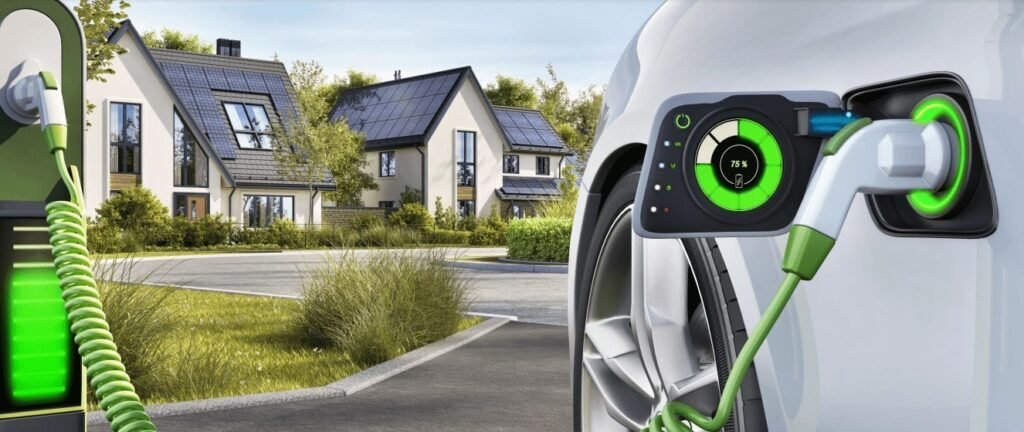
The adoption of electric vehicles (EVs) is rapidly accelerating across North America, with Texas emerging as a key state in this transition. Houston, known for its innovative spirit, is witnessing a significant surge in EV ownership. As more Texans embrace environmentally friendly transportation, the demand for efficient and accessible EV charging solutions has never been higher. Public infrastructure is expanding, but home-based EV charging remains the cornerstone of convenience and reliability.
For electric vehicle owners, home EV charging offers unparalleled ease and cost efficiency. A personal charging station ensures your vehicle is always ready to go, eliminating the need for frequent trips to public charging points. It also provides consistent charging speeds and peace of mind, allowing you to maximize your vehicle’s potential miles of range without the stress of waiting or competing for public chargers.
At RJT Construction, we specialize in providing tailored solutions for EV charging installation in Houston and surrounding areas. With deep expertise in the nuances of local regulations, installation prices, and electrical systems, we make the transition to home EV charging seamless and stress-free. Our commitment to quality and customer satisfaction sets us apart as a trusted partner in electrifying your home.
Understanding the Need for Home EV Charging
Why Electric Vehicles Are Gaining Popularity in Texas?
The adoption of electric vehicles (EVs) is rapidly growing across the United States, with Texas emerging as a leading state in this green revolution. Texans are drawn to EVs for their ability to reduce greenhouse gas emissions and decrease reliance on fossil fuels. Additionally, the increasing availability of government incentives and rebates makes transitioning to an EV more affordable for Americans.
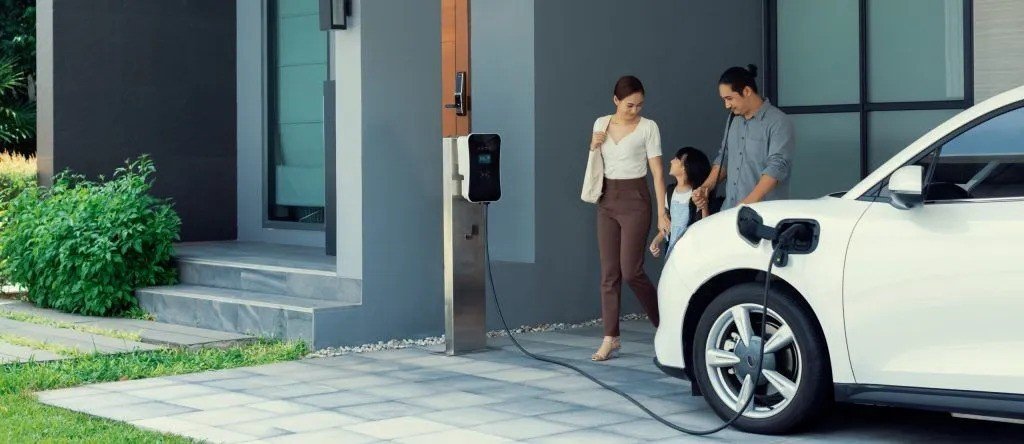
In Texas, where long drives are common, the ability to maximize your miles of range is critical, making home EV charging a key component of this shift. With the convenience of charging your vehicle at home, EV owners can ensure their car is always ready for both daily commutes and road trips across the Lone Star State.
Common Hurdles in EV Charging Installation
While the benefits of home EV charging are clear, many homeowners face challenges during the installation process. One major hurdle is ensuring the home’s electrical system has sufficient capacity to support an EV charger. Older homes often require electrical panel upgrades to handle the increased load.
Additionally, obtaining necessary permits can be a complex and time-consuming process. Homeowners may also be concerned about the installation price, which can vary based on the home’s electrical setup and the type of charger being installed. These challenges, while common, can be overcome with expert guidance and a focus on solutions tailored to each standard household.
Unveiling the Solution: Home EV Charging Installation
How Home Charging Stations Revolutionize EV Use?
A home charging unit transforms the way you power your electric vehicle, offering unmatched convenience. By charging overnight, you can wake up to a fully powered vehicle, ready for the day ahead. This reduces reliance on public DC fast chargers, which are often crowded and come with additional costs. Home charging allows you to enjoy consistent charging speeds, maximizing your vehicle’s miles of range and giving you complete peace of mind.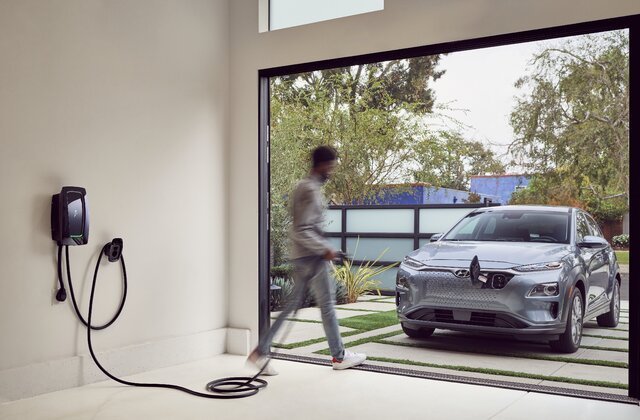
Additionally, home EV chargers save time and money, making them a practical solution for both daily commuting and long-distance travel. Unlike public fast charging, home systems are tailored to meet your specific needs and offer long-term benefits.
Types of EV Chargers for Your Home
When choosing an EV charger, it’s important to understand the three main types available:
- Level 1 Chargers: These use a standard household outlet but charge slowly, making them suitable for low-mileage drivers.
- Level 2 Chargers: Offering a faster charge rate, these chargers are the preferred choice for most homeowners. They require additional equipment and higher power capacity but provide a significant upgrade in convenience and efficiency.
- DC Fast Chargers: While extremely fast, these are typically designed for public use due to their high cost and power requirements.
For home use, Level 2 chargers strike the ideal balance between affordability and efficiency. With the right adapters and configurations, they can deliver optimal power levels in amps and kW, ensuring your EV is ready when you need it.
Step-by-Step Guide to Installing Your Home EV Charger
Selecting the Right Location for Your Charger
Choosing the best location for your EV charger is essential for safety and convenience. Consider the following factors:
- Proximity to your EV’s parking spot.
- Existing wiring and its ability to handle the charger’s load.
- Accessibility of a standard outlet or the need for new connections.
- Overall safety and compliance with local building codes.
The type of installation may vary based on your home’s layout, but prioritizing these aspects ensures a smoother process and efficient charging.
Preparing Your Home’s Electrical System for Installation
Before installing a home EV charger, it’s crucial to assess and prepare your electrical infrastructure:
- Upgrade Your Electrical Panel: Many homes require updates to handle the increased load from an EV charger.
- Obtain Necessary Permits: Compliance with local regulations ensures the installation is legal and safe.
- Hire a Certified Installer: Professional installation guarantees proper setup, minimizes risks, and ensures warranty compliance.
- Ensure Sufficient Wiring: Adequate wiring and capacity are key to avoiding overloads and maintaining efficiency.
By addressing these elements, you can create a reliable setup for your EV charging needs while ensuring safety and performance.
Preparing Your Home’s Electrical System for Installation
Before installing your EV charger, it’s crucial to evaluate your home’s electrical system and ensure it can handle the additional load. This assessment involves inspecting your electrical panel, wiring, and overall capacity to support EV charging safely.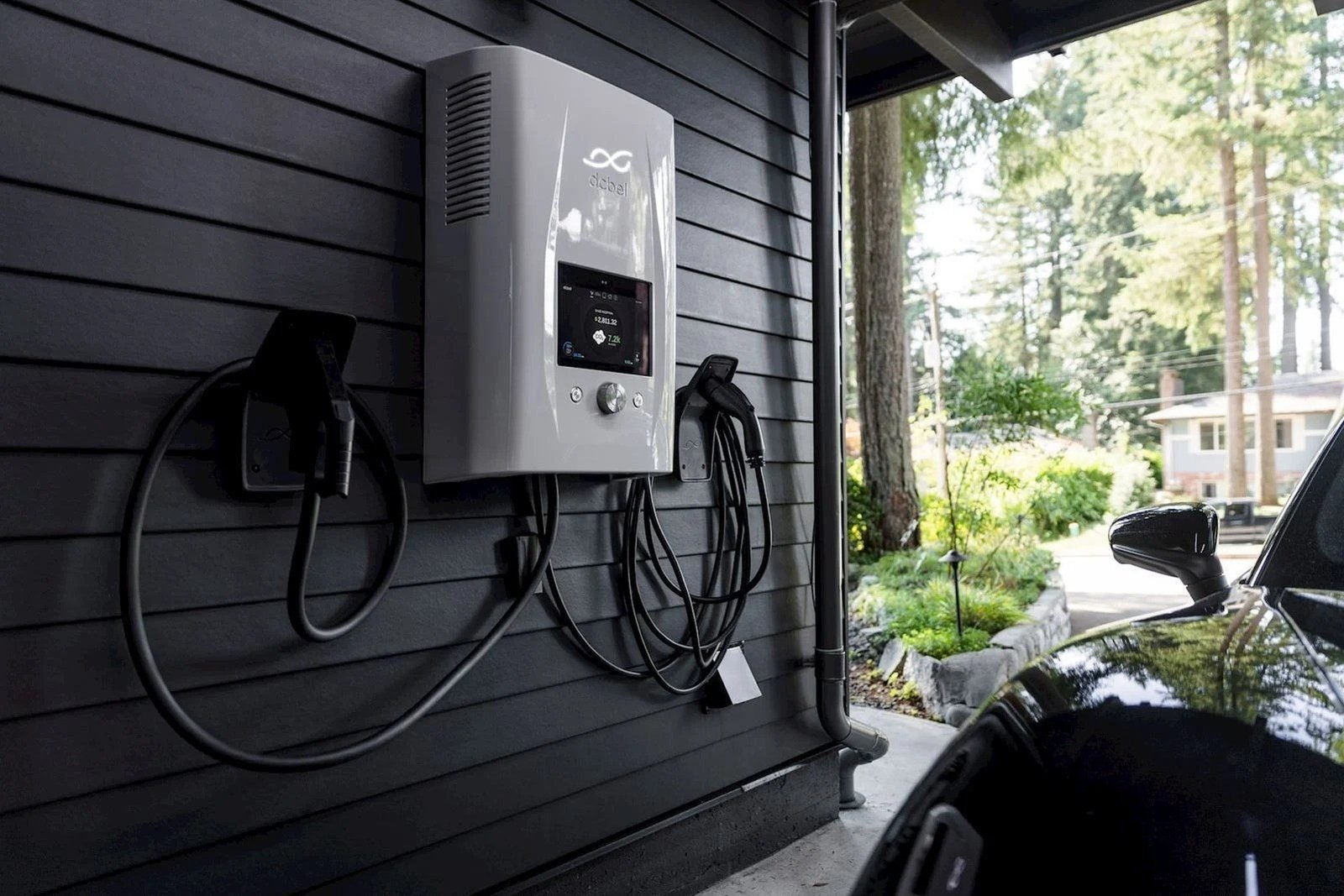
Upgrading your electrical panel is often necessary, especially in older homes with outdated electrical systems. This upgrade involves increasing the amperage capacity to accommodate the EV charger’s power demands without overloading the system.
|
Upgrade |
Description |
Potential Impact on Installation Price |
|
Electrical Panel Upgrade |
Increases the capacity of your electrical system, allowing it to handle the additional load from the charger. |
Significant |
|
Heavy-Up Service |
Upgrades the electrical service to your home, providing more power overall. |
Significant |
|
Breaker Upgrade |
Replaces an existing breaker with a higher-amperage one to accommodate the charger. |
Moderate |
|
Wiring Upgrade |
Uses larger gauge wiring to safely carry the increased electrical current demanded by the EV charger. |
Moderate |
|
GFCI Protection |
A ground fault circuit interrupter (GFCI) is a safety device that protects against electrical shocks. In some locations, GFCI protection is required for EV charger installations. |
Minimal to Moderate |
|
Conduit Installation |
Protects and organizes electrical wiring, often required for outdoor or exposed runs. |
Minimal to Moderate |
Working with a qualified electrician is paramount. They will conduct a thorough evaluation, determine necessary electrical upgrades, and ensure your home’s electrical system is adequately prepared for safe and efficient EV charging.
Recap of the Benefits of Installing a Home EV Charger
Installing a home EV charger is more than a convenience—it’s a smart investment in your electric vehicle and your lifestyle. With the ability to charge your car overnight, reduce reliance on public chargers, and enjoy the cost-efficiency of home electricity, a personal charging station ensures you can drive with confidence and ease. Additionally, having a home charger boosts your property value, making it a forward-thinking choice for homeowners.
RJT Construction’s Promise to Simplify the Installation Process
At RJT Construction, we understand the challenges and complexities of EV charging installation, particularly in Houston and across Texas. From ensuring your electrical system meets requirements to obtaining necessary permits and delivering a professional installation, our team is committed to making the process simple, efficient, and stress-free. We pride ourselves on delivering high-quality service tailored to your specific needs.
Encouragement to Request an Installation Quote
Now is the perfect time to electrify your home and enhance your EV experience. Let RJT Construction guide you through every step of the process with expertise and dedication. Contact us today for a personalized installation quote, and take the first step toward enjoying the full benefits of home EV charging.
Frequently Asked Questions
What Makes Level 2 Chargers the Preferred Choice for Home Use?
Level 2 chargers are a better option for charging at home. They charge faster than Level 1 chargers. These chargers use a 240-volt circuit. This helps them give more KW and amps. As a result, they significantly cut down the time needed to charge your electric vehicle.
How Long Does Home EV Charger Installation Take?
The time it takes to install a home EV charger can change based on how difficult the project is. Some things that affect the installation time include the needed electrical upgrades, if permits are required, and the type of installation. This can be hardwiring the charger or using a NEMA outlet.
Can I Install an EV Charger Myself or Do I Need a Professional?
While doing it yourself may sound appealing, it’s better to hire a professional installer. They make sure everything is safe and meets the necessary codes. They also handle electrical parts the right way, which helps keep your warranty safe. Plus, professional installers know how to get the necessary permits and inspections for your area.
What Are the Typical Costs Associated with Home EV Charging Installation?
The price depends on several factors. This includes electrical upgrades, the type of charger, how far the wiring needs to go, and any fees for permits and inspections. If you need to upgrade your electrical panel, this can greatly affect the overall cost of installation.
The Complete Guide to Home EV Charging Station Installation in Houston
Electric vehicles are no longer a niche product. With millions of EVs now on Texas roads and more arriving every month, demand for reliable, fast, and safe electric vehicle charging solutions has never been higher. Whether you are a homeowner looking to ditch public charging queues or a business owner ready to add value to your commercial property, understanding home EV charging station installation is your critical first step.
At RJT Construction, Houston’s trusted electrical and construction team, we handle everything from single-family residential charger installs to large-scale commercial charging station networks. This guide walks you through every decision you need to make before your first kilowatt flows.
Ready to get started? Call us today at (832) 979-4175 or explore our EV installation services to request a free estimate.
1. Level 1 vs Level 2 vs Level 3 EV Chargers: Which Do You Need?
Before any charging installation project begins, you need to understand the three primary types of level chargers available. Each serves a different purpose, delivers different speeds, and comes with different electrical requirements. Choosing the wrong type wastes money. Choosing the right one transforms how you live with your electric vehicle.
Level 1 Chargers (120V)
Level 1 home charging uses a standard 120-volt household outlet. No special equipment or panel upgrade is typically required. You simply plug your EV into the wall. The catch? Level 1 delivers roughly 3 to 5 miles of range per hour of charging. If you drive fewer than 40 miles per day and charge overnight, Level 1 may be adequate. However, most Houston drivers find this speed frustratingly slow within weeks of ownership.
Level 2 Chargers (240V)
Level 2 is the gold standard for residential and light commercial home charging. Operating on 240 volts — the same circuit your dryer or oven uses — Level 2 delivers 10 to 30 miles of range per hour depending on your charger’s amperage and your vehicle’s onboard charger capacity. A full charge on most EVs takes 6 to 12 hours, making overnight charging completely practical. The vast majority of our charger installation services in Houston involve Level 2 units. This is the sweet spot of cost, convenience, and performance for most homeowners and businesses.
Level 3 Chargers (DC Fast Charging)
Level 3, also called DC Fast Charging or DCFC, delivers 80% charge in as little as 20 to 45 minutes on compatible vehicles. These are the chargers you see at commercial charging station networks, dealerships, fleet facilities, and highway corridors. Level 3 units require three-phase electrical service, significant infrastructure investment, and professional-grade installation. They are generally not practical for single-family homes but are an excellent investment for high-traffic commercial properties and multi-unit housing developments.
Not sure which level is right for your situation? Our EV installation team at RJT Construction will assess your driving habits, electrical panel capacity, and budget to recommend the ideal solution.
2. Cost of Home EV Charging Station Installation in Houston
One of the most common questions we receive is: How much does home EV charging station installation cost in Houston? The honest answer is that costs vary based on several factors, but we can give you a solid framework for budgeting.
Level 1 Installation Costs
If you have an existing outlet near your parking area, Level 1 costs are minimal — sometimes just the cost of a dedicated circuit if your current outlet is overloaded. Expect $150 to $400 for dedicated outlet installation by a licensed electrician.
Level 2 Installation Costs
Level 2 charger installation in Houston typically ranges from $500 to $2,500 including the charger hardware and labor. Key variables include the distance from your electrical panel to the charging location, whether conduit needs to be run through finished walls, and whether your current panel can support the additional load. A straightforward garage install in a newer Houston home might land closer to $800. A more complex installation involving longer runs or subpanel work could approach $2,000 or more.
Panel Upgrade Costs
If your home requires an electrical panel upgrade to support EV charging, budget an additional $1,500 to $4,000 depending on the scope. Our team at RJT Construction handles panel upgrades as part of our comprehensive installation Houston services, so you won’t need to coordinate multiple contractors.
Total Investment
Most Houston homeowners budget $1,000 to $3,500 all-in for a complete Level 2 charging station installation including hardware, labor, permits, and any necessary electrical upgrades. This investment pays for itself quickly when compared to the ongoing cost and time spent at public charging networks.
3. Commercial EV Charging Installation for Businesses and Properties
The commercial opportunity for electric vehicle charging infrastructure in Houston is enormous. As EV adoption accelerates across Texas, businesses that offer on-site charging gain a measurable competitive advantage in attracting tenants, customers, and employees.
RJT Construction’s commercial construction team specializes in designing and deploying scalable EV charging networks for a wide range of property types including retail centers, office parks, apartment complexes, hotels, restaurants, healthcare facilities, and municipal properties.
What Commercial EV Charging Installation Includes
- Site assessment and load analysis to determine how many stations your electrical service can support
- Trenching, conduit installation, and electrical rough-in for multiple charging stations
- Installation of Level 2 and Level 3 charger units from leading brands
- Networking and payment system integration for customer-facing stations
- Signage, ADA compliance review, and parking lot striping coordination
- Permitting with the City of Houston and Harris County authorities
Scalable Design for Future Growth
Smart commercial charging installation starts with infrastructure that scales. Our team designs conduit and panel capacity for twice your initial station count, so adding more chargers later requires minimal disruption and expense. This approach protects your investment as EV adoption grows in your customer and tenant base.
Contact RJT Construction at (832) 979-4175 to schedule a commercial site assessment for your charging station project.
4. Electrical Requirements and Panel Upgrades for EV Charging
Electrical infrastructure is the backbone of any successful EV charging project. Understanding what your home or facility currently has — and what upgrades may be needed — helps you plan accurately and avoid costly surprises.
Residential Electrical Requirements
A standard Level 2 home charging setup requires a dedicated 240-volt circuit with a minimum 40-amp breaker, though 50-amp circuits are increasingly common to support higher-powered chargers. Your electrical panel must have available capacity for this dedicated circuit. Many Houston homes built before 2000 have 100-amp service panels that may already be near capacity. Homes with 200-amp panels in good condition typically handle Level 2 charger installation without any panel work.
When You Need a Panel Upgrade
Signs that your home may need a panel upgrade before EV charger installation include:
- A 60-amp or 100-amp panel that is already heavily loaded
- Frequent tripped breakers or flickering lights
- Fuse boxes rather than circuit breakers (common in older Houston neighborhoods)
- Plans to add other high-draw appliances like a heat pump or pool equipment alongside your EV charger
Commercial Electrical Requirements
Commercial electric vehicle charging networks require a thorough load analysis performed by a licensed electrical contractor. Large Level 2 deployments of 10 or more stations and any Level 3 DC fast chargers will typically require three-phase power, utility coordination, and potentially a dedicated transformer. RJT Construction’s licensed electrical team manages this entire process, from utility applications to final inspection.
Learn more about our comprehensive electrical services and EV installation capabilities on our dedicated services page.
5. Permits and Incentives for EV Charging in Texas
Two topics that save Houston homeowners and businesses significant money are proper permitting and available financial incentives. Both are worth understanding before your charging station installation begins.
Permits Required in Houston
The City of Houston requires an electrical permit for any new circuit installation, including those dedicated to EV charging. This permit ensures the work is inspected by a licensed city inspector who verifies your installation meets the National Electrical Code and local amendments. Skipping permits is never advisable — it can void insurance coverage, create issues during home sales, and create genuine safety hazards. RJT Construction pulls all required permits on every project as standard practice.
Federal Tax Credits
The federal Alternative Fuel Vehicle Refueling Property Credit (IRS Form 8911) provides a tax credit of up to 30% of the cost of EV charging equipment and installation, capped at $1,000 for residential installations and $100,000 for commercial installations as of the Inflation Reduction Act updates. This is one of the most valuable incentives available to Houston homeowners and business owners investing in EV infrastructure.
Utility Rebates
CenterPoint Energy and other Houston-area utilities periodically offer rebates for EV charger installation. These programs change frequently, so we recommend checking current offerings when planning your project. Our team stays updated on available utility incentives and can help you identify programs that apply to your charging station installation.
Texas State Programs
The Texas Commission on Environmental Quality (TCEQ) administers programs supporting EV infrastructure under the Volkswagen Environmental Mitigation Trust. Commercial property owners, municipalities, and fleet operators may qualify for funding that offsets a significant portion of Level 2 and Level 3 charging installation costs.
6. Best EV Charger Brands for Home and Commercial Use
Selecting the right charger hardware is as important as the quality of your installation. The market has matured significantly, and several brands now stand out for reliability, warranty support, smart features, and compatibility with the widest range of electric vehicle models.
Top Residential EV Charger Brands
- ChargePoint Home Flex: One of the most versatile home charger options available, the Home Flex adjusts from 16 to 50 amps and integrates with most smart home platforms. Its network connectivity allows scheduling during off-peak rate hours, saving money on your electricity bill.
- Emporia EV Charger: An excellent value-focused option for Houston homeowners, Emporia’s Level 2 unit offers energy monitoring, Wi-Fi connectivity, and solid build quality at a lower price point than many competitors.
- Tesla Wall Connector: For Tesla owners, the Wall Connector remains the most seamless home charging experience. Third-generation units are now compatible with non-Tesla vehicles using the J1772 adapter.
- Enel X JuiceBox: Popular for both home and light commercial use, JuiceBox offers strong smart charging features and reliable performance in Houston’s heat and humidity.
Top Commercial EV Charger Brands
- ChargePoint CPF50: A workhorse Level 2 commercial station with an established network and robust property management software.
- Blink IQ 200: Known for its durability in outdoor environments and straightforward back-office management tools for property operators.
- ABB Terra: A leading choice for Level 3 DC fast charging at commercial properties requiring the fastest possible charging speeds.
RJT Construction works with all major charger brands and can help you select hardware that fits your budget, technical requirements, and long-term service expectations. Explore our custom build services for fully tailored EV infrastructure solutions.
7. ROI of Installing EV Charging Stations at Commercial Properties
Commercial property owners often ask whether the investment in electric vehicle charging infrastructure delivers measurable financial returns. The data — and the experience of Houston property owners who have already made this investment — consistently says yes.
Tenant Attraction and Retention
A 2023 survey by the National Multifamily Housing Council found that EV charging availability is now among the top-requested amenities by prospective apartment and office tenants. Houston properties with on-site charging stations report faster lease-up rates and lower tenant turnover in competitive submarkets. The cost of losing one quality tenant far exceeds the cost of a well-planned Level 2 charging network.
Revenue Generation
Networked commercial charging stations generate direct revenue when you charge customers or tenants for energy used. Platform providers like ChargePoint and Blink provide back-office tools that handle billing, payment processing, and reporting automatically. Many Houston commercial properties recoup the hardware and installation cost within three to five years through charging revenue alone.
Property Value Appreciation
EV-ready infrastructure is increasingly cited as a value-add feature in commercial property appraisals. As building codes evolve and EV adoption grows, properties without charging infrastructure may face costly retrofitting requirements. Installing now locks in current construction costs and avoids future disruption.
Tax Benefits and Depreciation
Commercial installations benefit from both the 30% federal investment tax credit and standard depreciation schedules under MACRS. Combined with available utility rebates, the effective out-of-pocket cost for a commercial charging station network is often far below the sticker price. Our team can connect you with tax professionals experienced in EV infrastructure investments to help you model your specific scenario.
Call RJT Construction at (832) 979-4175 to discuss your commercial EV charging project and receive a detailed return-on-investment analysis for your property.
8. Frequently Asked Questions About EV Charging Station Installation
How long does home EV charging station installation take in Houston?
Most residential Level 2 charger installation projects in Houston are completed in four to eight hours in a single visit. If your home requires a panel upgrade, this may add a day of work. Our team coordinates all required permits and inspections to minimize delays. Commercial charging installation timelines vary based on project scope, typically ranging from two days to several weeks for large multi-station deployments.
Do I need a permit for EV charger installation in Houston?
Yes. The City of Houston requires an electrical permit for new circuit installations, including those dedicated to EV charging. Permitted work is inspected by a city electrical inspector to verify code compliance and safety. RJT Construction handles all permitting on every charging station project we complete. We never recommend skipping permits — unpermitted electrical work creates serious safety risks and legal complications.
Can my existing electrical panel support a Level 2 EV charger?
It depends on your panel’s current load and amperage rating. Homes with 200-amp panels and available breaker slots frequently support Level 2 home charging without any upgrades. Older Houston homes with 100-amp or 60-amp panels may require a panel upgrade before EV charger installation. RJT Construction performs a complimentary electrical assessment as part of every quote to determine what, if any, panel work is needed before installing your charging station.
What federal incentives are available for home EV charging installation?
The federal Alternative Fuel Vehicle Refueling Property Credit provides a tax credit of up to 30% of EV charging equipment and installation costs, up to $1,000 for residential projects. This credit applies to both the hardware and the labor cost of your charger installation. Texas homeowners may also qualify for utility rebates through CenterPoint Energy and other providers. We recommend consulting your tax advisor to confirm eligibility and filing requirements for your charging station investment.
Why should I choose RJT Construction for EV charging installation in Houston?
RJT Construction is a licensed, insured, and locally owned construction and electrical service company based in Houston, Texas. Our team brings deep expertise in both residential and commercial EV charging installation, handles all permitting and inspections, and works with every major charger brand. We provide transparent pricing, clear project timelines, and stand behind every installation with strong warranty support. From a single home charging station to a 50-unit commercial network, we deliver quality electric vehicle charging infrastructure built to last in Houston’s demanding climate.
Get Your EV Charging Station Installed by Houston’s Trusted Team
Whether you are ready to install a Level 2 charger in your garage tomorrow or planning a multi-property commercial electric vehicle charging network for 2025, RJT Construction has the expertise, licensing, and local knowledge to make your project a success. Our installation Houston services cover every aspect of the process from initial electrical assessment through final inspection, so you never have to coordinate multiple contractors or worry about code compliance.
We serve homeowners and businesses across Houston, including the Heights, Sugar Land, Katy, The Woodlands, Pearland, Pasadena, and surrounding communities throughout Harris County.
- Free on-site assessments for residential and commercial charging installation projects
- Licensed, bonded, and insured electrical services
- All permits pulled and inspections managed by our team
- Competitive pricing with transparent, itemized quotes
- Ongoing support and service after your installation is complete
Take the next step today. Call RJT Construction at (832) 979-4175 to schedule your free EV charging assessment. You can also explore our full range of EV installation services, learn about our commercial construction capabilities, or discover our custom build solutions for specialized EV infrastructure needs.
Houston is moving electric. Make sure your charging station is ready to move with it — installed safely, efficiently, and built to last by the team at RJT Construction.